

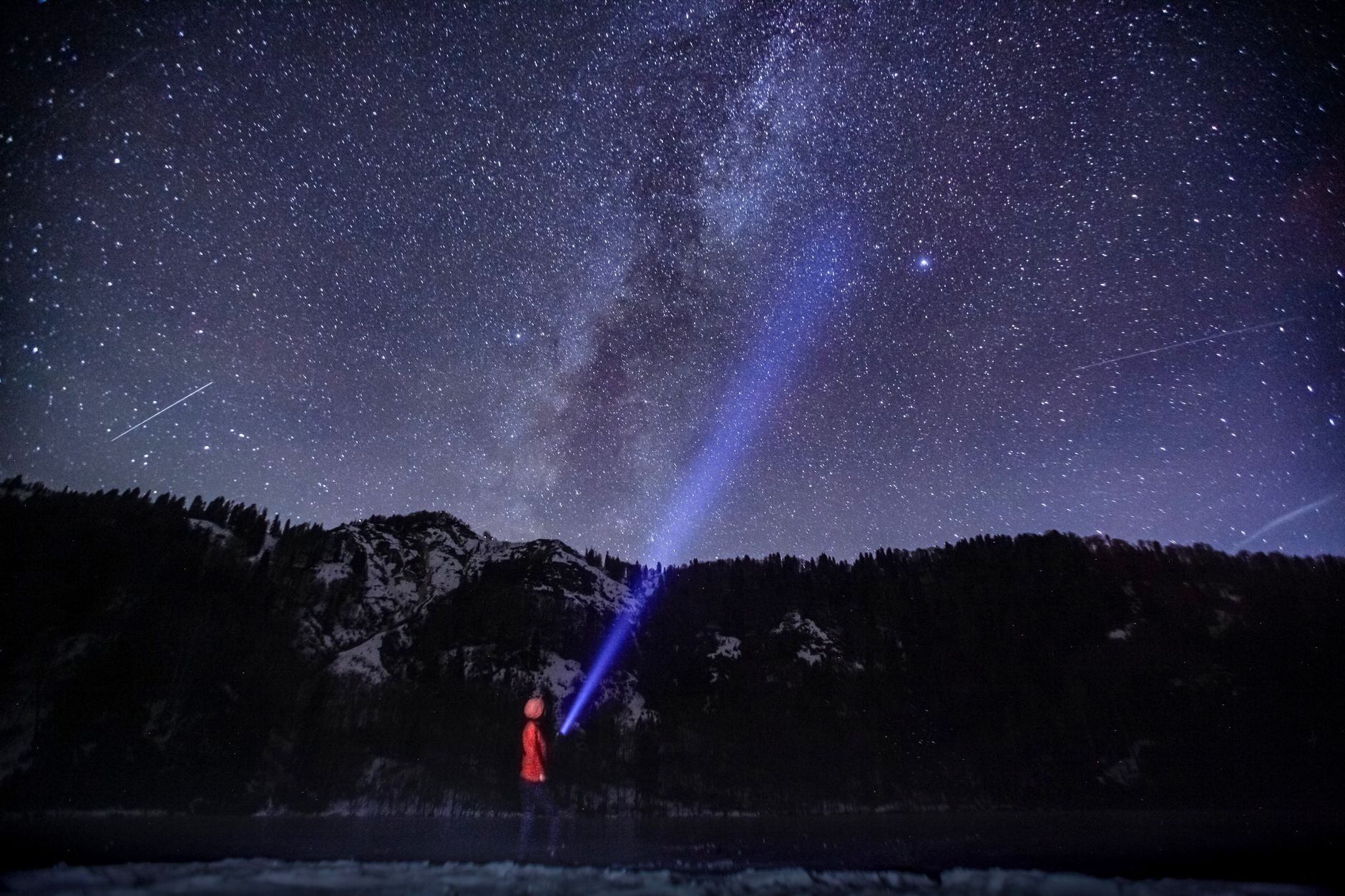
You can see another galaxy with the naked eye if you know where to look. This guide will help you find it and enjoy a stunning view of the universe.
What You Need to Know About Galaxies
Galaxies are vast systems of stars, gas, dust, and dark matter, bound together by gravity. They come in various shapes and sizes, and our own Milky Way is just one of billions in the universe. If you want to see another galaxy tonight, there are a few key details to keep in mind.
Firstly, understanding the types of galaxies can enhance your stargazing experience. The three primary categories are:
- Spiral Galaxies: These have a flat, rotating disk with spiral arms. The Milky Way is a classic example.
- Elliptical Galaxies: These appear more rounded and do not have distinct arms, often containing older stars.
- Irregular Galaxies: These lack a defined shape and often form from gravitational interactions.
Secondly, the best time to view another galaxy is during a clear, dark night, away from city lights. The Andromeda Galaxy, the nearest spiral galaxy to Earth, is visible to the naked eye under optimal conditions. To locate it, first identify the constellation Cassiopeia, which resembles a ‘W’. From there, you can trace a line to find Andromeda.
Finally, remember that patience is key. Finding another galaxy can be challenging but rewarding, offering a glimpse into the vast universe that surrounds us.
The Best Time to View Another Galaxy
The best time to view another galaxy is during a clear, dark night when the moon is not full, as its brightness can obscure faint celestial objects. For stargazers eager to see another galaxy, planning is essential. The optimal months for viewing are typically late autumn through early spring, when the skies are often clearer and the nights are longer.
To make the most of your galaxy observation experience, consider these factors:
- Location: Find a spot far away from city lights. Light pollution significantly affects visibility, making it challenging to spot distant galaxies.
- Time: The best hours for viewing are generally between 9 PM and 11 PM, when the sky is at its darkest.
- Weather: Check the weather forecast for clear skies. A cloudless night is crucial for a successful observation.
- Season: In the northern hemisphere, the Andromeda Galaxy, one of the closest galaxies to Earth, is best viewed from September through November.
With these tips in mind, you can enhance your stargazing experience. Gather your friends or family, prepare your binoculars or telescope, and don’t forget to dress warmly. With patience and the right conditions, you can see another galaxy and marvel at the wonders of the universe.
How to Locate the Andromeda Galaxy
Locating the Andromeda Galaxy is an exciting venture for stargazers eager to see another galaxy. With a few simple steps, you can experience this incredible celestial phenomenon from your own backyard.
First, find a dark location away from city lights. Light pollution can hinder your ability to see the Andromeda Galaxy, so choose a spot with minimal artificial illumination.
Next, consider the time of year. The best months to view the Andromeda Galaxy are typically from late summer to early winter. During this time, it is prominent in the night sky. Aim for a clear night when the moon is less bright, which will make the galaxy easier to spot.
To help pinpoint the location of the Andromeda Galaxy, follow these steps:
- Identify the Great Square of Pegasus: Look for a large square shape formed by four bright stars. This is your guide.
- Locate the star Alpheratz: This star is the top left corner of the Great Square. From here, draw an imaginary line towards the right.
- Look for a fuzzy patch: Approximately two and a half degrees from Alpheratz, you should see a faint, blurry spot. This is the Andromeda Galaxy.
With these steps, you’ll be well on your way to seeing another galaxy tonight!
Essential Tools for Stargazing
To successfully see another galaxy like the Andromeda Galaxy, having the right tools at your disposal can enhance your experience and increase your chances of spotting distant celestial wonders. Here are some essential tools for stargazing:
- Binoculars: A pair of binoculars can significantly improve your view of the night sky. They are portable, easy to use, and can help you observe details that are not visible to the naked eye.
- Telescope: For an even more detailed observation, a telescope is highly recommended. It allows you to see galaxies, nebulae, and star clusters in much greater detail than binoculars.
- Star charts or apps: Utilizing a star chart or a stargazing app can guide you in identifying constellations and locating galaxies. Many apps offer augmented reality features to enhance your experience.
- Red flashlight: To preserve your night vision while navigating, use a red flashlight. This allows you to see without disrupting the darkness that is essential for clear stargazing.
- Comfortable clothing and blankets: Dressing appropriately for the weather and bringing blankets can make your stargazing experience more enjoyable, allowing you to relax while searching for galaxies.
With these tools in hand, you’ll be well-prepared to venture into the night sky and see another galaxy for yourself.
Tips for a Successful Stargazing Experience
Stargazing can be a rewarding experience, especially if you want to see another galaxy like Andromeda. To enhance your observation, consider the following tips for a successful stargazing experience:
- Choose the Right Location: Select a dark area away from city lights. Light pollution can significantly hinder your ability to see celestial objects.
- Check the Weather: Clear skies are essential for stargazing. Monitor local weather forecasts to pick a night with no clouds or precipitation.
- Give Your Eyes Time to Adjust: Allow your eyes to adapt to the darkness for at least 20 minutes. During this time, avoid looking at bright screens, as they can disrupt your night vision.
- Use Binoculars or a Telescope: While you can see another galaxy with the naked eye, binoculars or a small telescope can enhance your view and reveal more details.
- Bring Comfortable Gear: Dress warmly and bring blankets or reclining chairs to stay comfortable while you gaze at the stars.
- Be Patient: Stargazing requires patience. Take your time to observe the sky and be prepared to spend several hours outdoors.
By following these tips, you’ll increase your chances of enjoying a spectacular view of another galaxy and make the most of your stargazing adventure.
Understanding Light Pollution
One of the biggest challenges when attempting to see another galaxy, such as Andromeda, is light pollution. Light pollution occurs when artificial lights from urban areas obscure the natural darkness of the night sky, making it difficult to observe celestial objects.
Understanding light pollution is crucial for stargazers. It not only affects visibility but can also diminish the overall experience of observing the wonders of the universe. Here are some key points to consider:
- Types of Light Pollution: Light pollution can be categorized into several types, including skyglow, glare, and light trespass. Each type contributes to the overall brightness of the night sky.
- Effects on Stargazing: Light pollution can wash out faint objects like galaxies, making them nearly impossible to see with the naked eye. Even in areas with minimal light pollution, the details of celestial bodies may not be as vivid.
- Finding Dark Locations: To enhance your chances of seeing another galaxy, seek out areas with minimal artificial light. National parks or rural locations often provide darker skies ideal for stargazing.
- Time of Night: The best time to observe is typically after the sun sets and before dawn when the sky is darkest, and artificial lights are less prominent.
By understanding and mitigating light pollution, you can significantly improve your chances of successfully seeing another galaxy.
With the right tools and techniques, you can easily see another galaxy from your own backyard. Tonight is the perfect opportunity to grab your telescope and see another galaxy in stunning detail.
Photo by Ezgi Bircan on Pexels
Sources
You might also like
Gold vs Nifty returns: Which is the Best Investment? · PSQ Holdings earnings: Worst revenue miss, proven insights · Bitcoin ETF News: The Best Proven Insights for Investors