

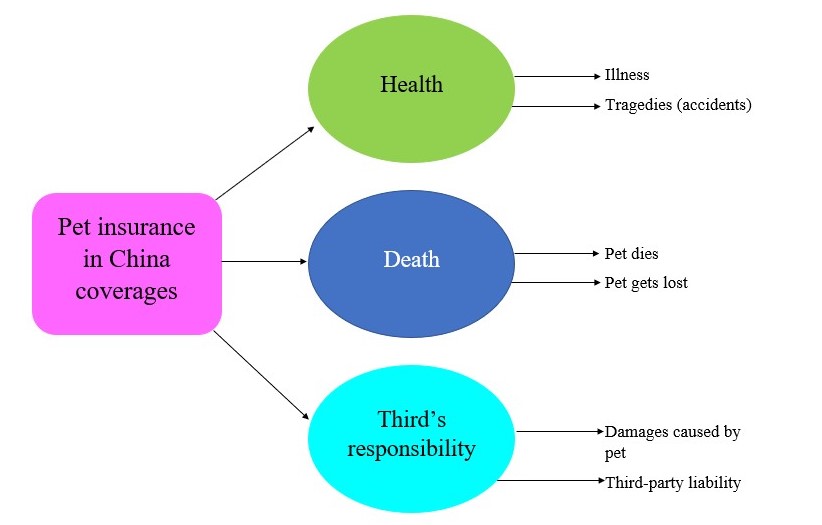
Pet insurance coverage is vital for pet owners. Understanding what is included can help you avoid surprises when filing claims.
What is Pet Insurance?
Pet insurance is a type of policy designed to cover veterinary expenses for your pets. It provides financial protection against unexpected medical bills that can arise from accidents, illnesses, or routine care. With the rising costs of veterinary services, many pet owners are considering pet insurance coverage as a way to manage these expenses.
Most policies offer a range of coverage options, which may include:
- Accident coverage: This covers injuries resulting from accidents, such as fractures or lacerations.
- Illness coverage: This includes treatment for various illnesses, from minor infections to serious diseases.
- Preventive care: Some plans may offer coverage for routine check-ups, vaccinations, and dental cleanings.
However, it is important to understand that not all policies are the same. Each provider has specific terms and conditions, which can lead to claims being denied for various reasons. Common reasons for rejection include:
- Pre-existing conditions: Most policies do not cover conditions that existed before the policy was initiated.
- Waiting periods: There may be a waiting period before certain types of coverage take effect.
Understanding the details of pet insurance coverage can help pet owners make informed decisions about their furry companions’ health and well-being.
Understanding Coverage Options
Understanding the various pet insurance coverage options available can be overwhelming for pet owners. Each policy is unique, and it’s essential to carefully evaluate the specifics before making a decision.
Typically, pet insurance plans fall into three main categories:
- Accident-Only Coverage: This basic plan covers injuries resulting from accidents but does not include any coverage for illnesses.
- Time-Limited Coverage: This option provides coverage for specific illnesses or injuries for a limited period, such as 12 months from the diagnosis date. After this time, any related conditions may be excluded from future claims.
- Comprehensive Coverage: The most extensive option, offering coverage for accidents, illnesses, and routine care. This plan often includes preventive treatments, vaccinations, and even dental care.
When selecting a policy, pet owners should consider their pet’s age, breed, and health history. Additionally, it’s crucial to read the fine print regarding exclusions, waiting periods, and annual limits, as these factors can significantly impact the effectiveness of the pet insurance coverage.
Understanding these coverage options will help pet owners make informed decisions and ensure their furry companions receive the best care possible.
Common Reasons for Claims Rejection
When it comes to pet insurance coverage, understanding the reasons behind claims rejection can be crucial for pet owners. Here are some common reasons why claims may be denied:
- Pre-existing Conditions: Insurance providers typically do not cover conditions that existed before the policy was purchased. This can include chronic illnesses or any injury that the pet had prior to enrollment.
- Waiting Periods: Most policies have waiting periods before coverage begins. If a claim is made during this time, it may be rejected.
- Policy Exclusions: Certain treatments or procedures might not be included in the policy. It is essential to read the fine print to understand what is and isn’t covered.
- Non-compliance with Policy Terms: If the pet owner fails to follow the guidelines set by the insurance provider, such as not providing necessary documentation, claims can be rejected.
- Failure to Seek Timely Treatment: Delaying veterinary care can lead to complications, and insurance may not cover the resulting issues if treatment is not sought promptly.
Understanding these factors can help pet owners navigate the complexities of their pet insurance coverage and avoid unexpected claim denials.
How to Choose the Right Policy
Choosing the right pet insurance policy can feel overwhelming, but understanding your options can help simplify the decision-making process. Here are some key factors to consider when selecting a policy that best suits your needs and those of your furry friend.
- Assess Your Pet’s Needs: Consider your pet’s age, breed, and health history. Some breeds are predisposed to certain conditions, which may influence your coverage choices.
- Evaluate Coverage Levels: Look for policies that offer comprehensive pet insurance coverage, including accidents, illnesses, and preventive care. Ensure that the policy aligns with your pet’s specific requirements.
- Review Exclusions: Carefully read through the fine print to identify any exclusions. Some policies may not cover pre-existing conditions or certain hereditary issues, which can affect claims later.
- Compare Premiums and Deductibles: Analyze multiple quotes to find a balance between premium costs and deductibles. A policy with a higher premium may offer better coverage and lower out-of-pocket expenses during a claim.
- Check Customer Reviews: Research reviews and testimonials from other pet owners to gauge customer satisfaction regarding claims processing and overall service.
By taking these factors into account, you can make an informed decision about the best pet insurance coverage for your beloved companion.
Tips for Filing Claims
Filing a claim for pet insurance coverage can be a straightforward process if you follow certain tips that can improve your chances of success. Here are some essential steps to consider:
- Understand Your Policy: Before submitting a claim, ensure you have a thorough understanding of your pet insurance coverage. Familiarize yourself with what is included and excluded in your plan.
- Keep Detailed Records: Maintain comprehensive records of your pet’s medical history, including veterinary visits, treatments, and medications. This documentation can be crucial when filing a claim.
- Submit Claims Promptly: Insurance companies often have specific time frames for submitting claims. Ensure you file as soon as possible after your pet receives care to avoid any issues.
- Provide Complete Information: When filling out the claim form, provide accurate and complete information. Any discrepancies or missing details can lead to delays or denials.
- Follow Up: After submitting your claim, don’t hesitate to follow up with the insurance provider. Verify that they received your claim and inquire about the status to ensure a timely resolution.
By adhering to these tips, you can navigate the claims process more effectively and maximize your chances of receiving the benefits from your pet insurance coverage.
The Importance of Reading the Fine Print
When it comes to pet insurance coverage, the fine print is often where the most critical details reside. Many pet owners are eager to secure a policy, but neglecting to thoroughly read the terms and conditions can lead to unpleasant surprises during the claims process.
Insurance policies can be complex, and understanding the specifics can make a significant difference in your experience. Here are a few key points to consider:
- Exclusions: Most policies have specific exclusions that detail what is not covered. This can include pre-existing conditions, certain breeds, or even specific treatments.
- Coverage Limits: Policies often have annual or per-incident limits. Be sure to know how much you can claim and if there are caps on different types of care.
- Deductibles: Understand the deductible amounts and how they affect your out-of-pocket expenses. A higher deductible may lower your premium but can also lead to higher costs when you file a claim.
- Waiting Periods: Many policies come with waiting periods before coverage kicks in. This means that any issues arising during this time won’t be covered.
By taking the time to read and understand the fine print, pet owners can better navigate the complexities of pet insurance coverage, ensuring they make informed decisions that protect their furry friends.
Frequently Asked Questions about Pet Insurance
When considering pet insurance coverage, many pet owners have questions regarding the specifics of their policies. Here are some frequently asked questions that can help clarify common concerns:
- What types of pets are typically covered? Most pet insurance policies cover dogs and cats, but some providers also offer coverage for exotic pets. It’s essential to check if your specific breed or species is eligible.
- Are pre-existing conditions covered? Generally, pet insurance does not cover pre-existing conditions. However, some policies may offer coverage for conditions that have been treated and resolved for a specified period.
- How does the reimbursement process work? After paying your vet bill, you can submit a claim to your insurance provider. They will then process the claim and reimburse you based on your policy’s terms.
- Can I choose my veterinarian? Yes, most pet insurance plans allow you to visit any licensed veterinarian. However, some insurers may have a network of preferred providers that could offer additional benefits.
- Is there a waiting period before coverage starts? Yes, many policies have a waiting period, which can vary from a few days to several weeks, before coverage for certain conditions begins.
Understanding these aspects of pet insurance coverage can empower pet owners to make informed decisions and ensure they are adequately prepared for their pet’s health needs.
By NRC2020UPRC via Openverse