

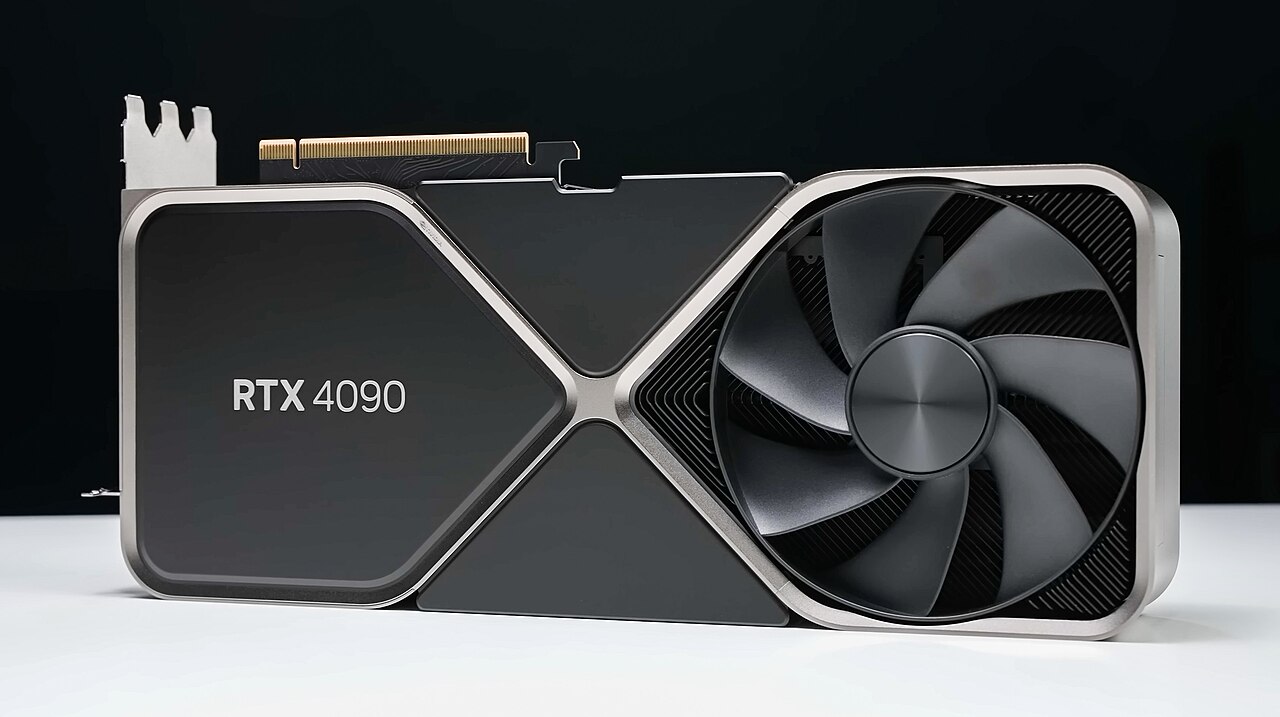
NVIDIA GeForce RTX 60-Series has reportedly slipped to 2028, raising concerns among gamers and tech enthusiasts alike. This delay could impact the competitive landscape of graphics cards.
What Caused the Delay?
The delay of the NVIDIA GeForce RTX 60-Series has left gamers and industry analysts alike questioning the factors behind this unprecedented setback. According to recent reports, the launch has now been pushed to 2028, marking what many are calling the worst delay in gaming history.
Several key issues have been identified as contributing to this delay:
- Supply Chain Disruptions: Ongoing global supply chain challenges have hindered the production of essential components, making it difficult for NVIDIA to meet their anticipated launch timelines.
- Technical Challenges: Engineers are reportedly facing significant hurdles in developing the new architecture, leading to further postponements as they strive to deliver a product that meets consumer expectations.
- Increased Competition: With other companies ramping up their GPU offerings, NVIDIA may be taking extra time to ensure that the RTX 60-Series can compete effectively in a rapidly evolving market.
As the gaming community awaits updates, the anticipation surrounding the NVIDIA GeForce RTX 60-Series continues to grow, even as frustrations mount over the extended timeline. Fans are eager to see what innovations will eventually emerge from this delay.
Impact on Gamers
The delay of the NVIDIA GeForce RTX 60-Series has left many gamers feeling frustrated and disillusioned. Initially anticipated for a 2025 release, recent leaks suggest that the launch may now be pushed to 2028, which could have significant repercussions for the gaming community.
Here are some potential impacts on gamers:
- Increased Uncertainty: With no clear timeline for the release, gamers may feel uncertain about their hardware choices, leading to hesitancy in making upgrades.
- Competitive Disadvantage: As competitors continue to release new graphics cards, gamers using older hardware may find themselves at a disadvantage in performance.
- Market Saturation: Extended wait times may lead to an oversaturation of mid-range models on the market, reducing the incentive for upgrades.
- Heightened Expectations: The longer the wait, the higher the expectations become, potentially setting NVIDIA up for scrutiny if the RTX 60-Series does not meet gamers’ demands.
This unprecedented delay marks what many are calling the worst in gaming history, leaving a cloud of uncertainty over the future of high-performance gaming.
Future of NVIDIA Graphics Cards
The future of NVIDIA graphics cards has become a topic of intense speculation following the recent news regarding the NVIDIA GeForce RTX 60-Series. As the anticipated release date reportedly slips to 2028, many in the gaming community are left wondering what this means for the industry as a whole.
Industry experts suggest that this delay could have several ramifications:
- Innovation Stagnation: With the postponement of the RTX 60-Series, other manufacturers might slow down their own advancements, leading to a stagnant market.
- Increased Competition: As gamers await the RTX 60-Series, rival companies may seize the opportunity to capture market share with their own cutting-edge graphics technology.
- Consumer Frustration: Gamers who anticipated upgrading to the latest NVIDIA graphics cards may feel disillusioned, potentially impacting brand loyalty.
- Shift in Expectations: This delay could prompt consumers to adjust their expectations for future releases, potentially leading to a demand for greater transparency from NVIDIA.
As the gaming landscape evolves, the fate of the NVIDIA GeForce RTX 60-Series will be closely monitored, with many hoping for a brighter horizon beyond this significant delay.
Expert Opinions on the Situation
As the gaming community processes the news of the NVIDIA GeForce RTX 60-Series being delayed until 2028, industry experts are voicing their concerns. Many believe this setback could have lasting implications for both NVIDIA and its users.
John Carmack, a renowned figure in game development, stated, “This delay represents a critical failure in the rapid innovation cycle that gamers expect. NVIDIA has set a high standard, and falling short could push players toward alternative brands.”
Additionally, Jessica Rivera, a tech analyst, emphasized the impact on developers: “While hardware is essential, the real concern lies in how this delay affects game development. Many titles are built around the capabilities of new graphics cards, and this stagnation could lead to a ripple effect across the industry.”
Moreover, other experts have pointed out that the NVIDIA GeForce RTX 60-Series delay might create an opportunity for competitors to gain market share. “If NVIDIA cannot deliver on its promises, others will step in to fill the void,” noted Mike Chen, a market strategist.
As discussions unfold, the consensus seems clear: the delay of the NVIDIA GeForce RTX 60-Series is not just a setback for NVIDIA, but potentially a turning point in the gaming landscape.
via Wikimedia Commons