

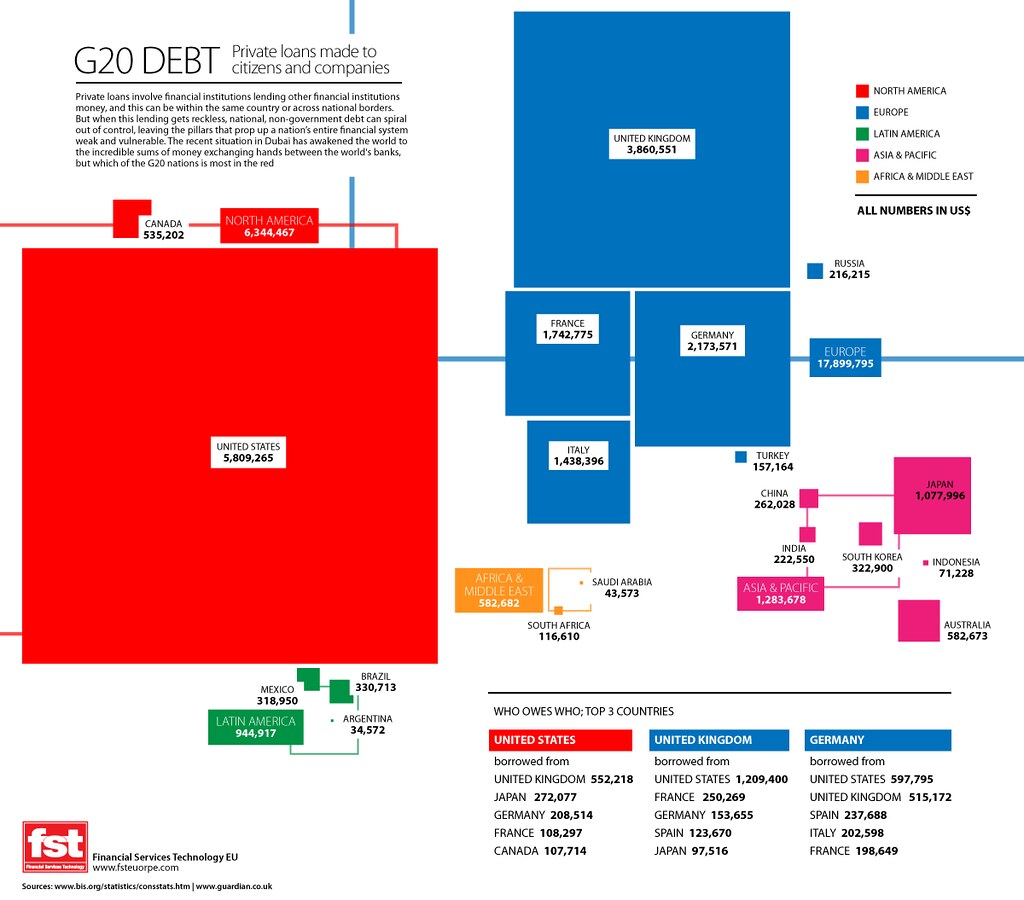
The global debt crisis is a pressing issue that affects economies around the world. Understanding its implications is crucial for businesses and governments alike.
What Causes a Global Debt Crisis?
The global debt crisis is often triggered by a combination of factors that converge to create unsustainable financial conditions. Understanding these causes is essential to grasp the severity of the situation.
- Excessive Borrowing: Countries may take on large amounts of debt to fund public services or stimulate economic growth, leading to financial strain.
- Economic Recession: A downturn in economic activity can result in decreased revenues, making it difficult for governments to service their debts.
- Interest Rate Fluctuations: Rising interest rates can increase the cost of existing debt, pushing countries closer to default.
- Currency Depreciation: For nations with debt in foreign currencies, a decline in their own currency can significantly increase repayment costs.
- Political Instability: Uncertainty in governance can deter investment and economic growth, worsening debt situations.
These factors, among others, contribute to the unfolding global debt crisis, impacting economies worldwide.
The Historical Context of Debt Crises
The historical context of debt crises reveals a pattern that often repeats itself across nations and economies. Over the past few decades, various countries have faced severe economic downturns triggered by excessive borrowing. These crises typically arise when nations accumulate debts that exceed their ability to repay them, leading to a loss of investor confidence.
Several notable events illustrate the implications of a global debt crisis:
- The Latin American Debt Crisis in the 1980s, where many countries defaulted on loans, resulting in widespread economic instability.
- The Asian Financial Crisis of 1997, which was marked by rapid capital flight and currency devaluations.
- The Eurozone Crisis beginning in 2009, highlighting the challenges faced by countries like Greece and Portugal due to unsustainable debt levels.
These historical examples underscore the importance of prudent fiscal management to mitigate the risks associated with a global debt crisis.
How Governments Respond to Debt Issues
Governments around the world are facing pressing challenges as they navigate the complexities of the global debt crisis. In response to escalating debt levels, many nations have adopted a variety of strategies to mitigate risks and stabilize their economies.
Some common approaches include:
- Implementing austerity measures: Governments often cut public spending, which can lead to reduced services but aims to lower debt levels.
- Negotiating debt relief: Countries may seek to negotiate with creditors for more favorable terms, including lower interest rates or extended repayment periods.
- Increasing taxes: To bolster revenues, some governments may raise taxes, which can be contentious among citizens.
- Seeking international assistance: Nations may turn to institutions like the IMF for bailout packages, which often come with strict conditions.
Ultimately, the effectiveness of these measures varies, and the long-term impact on economies remains to be seen as the global debt crisis evolves.
The Role of International Organizations
The role of international organizations is pivotal in addressing the ongoing global debt crisis. These entities often step in to provide financial assistance, policy advice, and frameworks for restructuring debt. Their interventions can help stabilize economies and restore investor confidence.
Some key organizations involved include:
- The International Monetary Fund (IMF): Offers financial support to countries facing balance of payments issues, helping them implement necessary reforms.
- The World Bank: Provides loans and grants for development projects, aiming to reduce poverty and promote sustainable growth.
- The Bank for International Settlements (BIS): Serves as a bank for central banks, facilitating cooperation and supporting monetary and financial stability.
Through their collaborative efforts, these international organizations can significantly mitigate the effects of a global debt crisis, ensuring that nations can navigate financial challenges while pursuing economic recovery.
Impact on Local Economies
The global debt crisis has profound implications for local economies around the world. As countries struggle to manage their debt levels, the effects can trickle down to individual communities, impacting various sectors.
Some of the most significant impacts include:
- Increased Unemployment: Businesses often face rising costs and reduced access to credit, leading to layoffs and hiring freezes.
- Reduced Public Services: Governments may cut funding for essential services like healthcare and education to manage their debt, affecting the quality of life for citizens.
- Inflationary Pressures: A rising debt burden can lead to inflation as governments print more money to service debts, eroding purchasing power.
- Investment Decline: Economic uncertainty may deter local and foreign investment, stunting growth potential.
As the global debt crisis unfolds, the interconnectedness of economies means that local communities must brace for significant challenges ahead.
Debt Crisis vs. Economic Growth
The relationship between a global debt crisis and economic growth is complex and often detrimental. When countries accumulate unsustainable levels of debt, their ability to invest in key areas such as infrastructure, education, and healthcare diminishes significantly. This stagnation can lead to a vicious cycle where reduced public spending further hampers economic growth.
Several factors contribute to this phenomenon:
- Increased Borrowing Costs: As debt levels rise, so do interest rates, making it more expensive for governments and businesses to borrow.
- Reduced Consumer Confidence: A global debt crisis can lead to uncertainty, causing consumers to cut back on spending, which is vital for economic expansion.
- Inflationary Pressures: High debt can lead to inflation, eroding purchasing power and destabilizing economies.
Ultimately, the challenges posed by a global debt crisis can hinder long-term economic growth, making recovery efforts difficult for affected nations.
Strategies for Mitigating Debt Risks
As the threat of a global debt crisis looms, it is crucial for countries to implement effective strategies to mitigate debt risks. These strategies not only protect economies but also promote sustainable growth. Here are some key approaches:
- Fiscal Responsibility: Governments should prioritize balanced budgets and maintain transparency in financial reporting to build trust and stability.
- Diversified Funding Sources: Relying on a mix of domestic and international funding can reduce vulnerability to external shocks, ensuring more stable financing.
- Debt Restructuring: Engaging in proactive negotiations with creditors can help manage debt levels and prevent defaults that may trigger a larger crisis.
- Investment in Growth: Focusing on sectors that stimulate economic growth can enhance revenue generation, making it easier to service existing debts.
- Strengthening Financial Regulations: Robust regulatory frameworks can help prevent excessive borrowing and ensure that financial institutions remain resilient.
By adopting these strategies, nations can better navigate the complexities of a potential global debt crisis.
Future Outlook on Global Debt
The future outlook on the global debt crisis remains uncertain as countries grapple with escalating financial pressures. Experts warn that without effective intervention, the repercussions could be severe, affecting both developed and developing nations.
Several key factors will influence the trajectory of this crisis:
- Interest Rates: Rising interest rates could exacerbate debt burdens for many nations, leading to increased defaults.
- Economic Growth: Stagnation or a slowdown in global economic growth could hinder efforts to manage existing debt levels.
- Geopolitical Tensions: Ongoing conflicts and trade disputes may impact borrowing costs and economic stability.
- Policy Responses: The effectiveness of national and international policy measures will play a crucial role in addressing the crisis.
As governments navigate these challenges, the potential for a more pronounced global debt crisis looms, necessitating coordinated action to mitigate risks and foster economic resilience.
By GDS Infographics via Openverse