

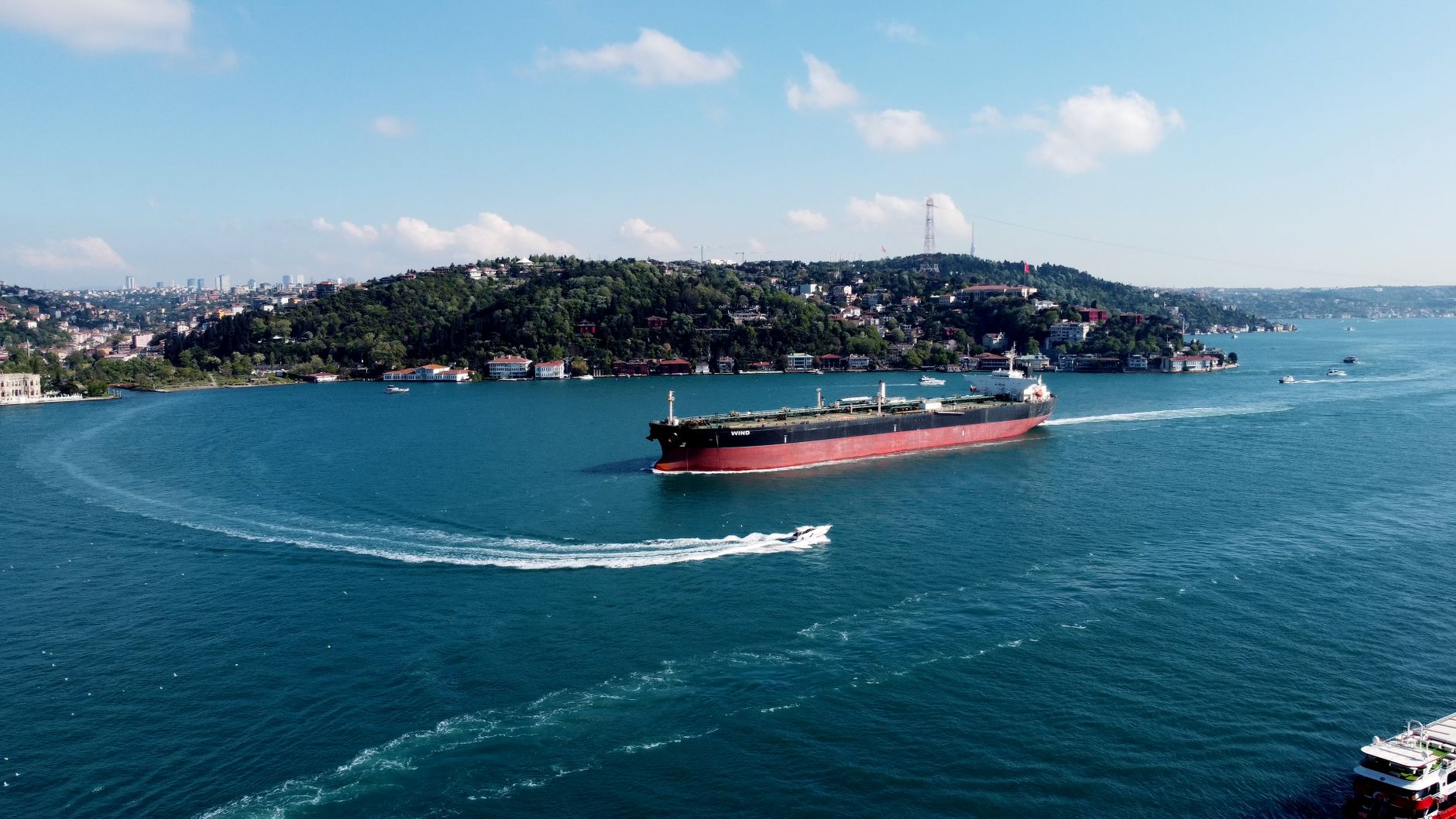
fuel exports to West have surged 43% as Indian refiners increase imports of Russian crude. This trend highlights a significant shift in the global energy market.
Impact of Increased Fuel Exports
The recent surge in fuel exports to the West has raised significant interest among industry analysts and policymakers. Indian refiners have reported a remarkable 43% increase in fuel exports, largely fueled by the importation of Russian crude oil. This trend highlights several important implications for both the global energy market and geopolitical dynamics.
Firstly, the increase in fuel exports provides a lucrative opportunity for Indian refiners, allowing them to capitalize on the high demand in Western markets. This boost in exports is expected to enhance profit margins for these companies, leading to greater investments in infrastructure and technology.
Secondly, the reliance on Russian crude raises concerns regarding the sustainability and ethical implications of such imports. Many Western nations are reassessing their energy dependencies, aiming for a more diversified supply chain to mitigate risks associated with geopolitical tensions.
Moreover, the impact of increased fuel exports extends beyond economic factors. It also influences global environmental goals, as the rise in crude consumption may hinder efforts to transition to cleaner energy sources.
In summary, the impact of increased fuel exports to the West reflects a complex interplay between economic benefits and ethical considerations, marking a significant shift in the global energy landscape.
Understanding Russian Crude Imports
As global energy markets continue to evolve, understanding the dynamics of Russian crude imports becomes essential. Indian refiners have significantly increased their fuel exports to the West, leveraging the availability of discounted Russian crude. This strategic move has implications for both the Indian economy and global oil supply chains.
With the surge in fuel exports to the West, Indian refineries have positioned themselves as key players in the international market. The influx of Russian crude has enabled refiners to maximize their output while keeping costs competitive. This trend has raised several important points:
- Price Volatility: The reliance on Russian crude has created fluctuations in fuel prices, impacting both domestic and international markets.
- Regulatory Challenges: Sanctions and geopolitical tensions surrounding Russian crude imports may pose risks for Indian refiners in the future.
- Environmental Considerations: The environmental impact of increased fuel exports to the West raises questions about sustainability and long-term policies.
In light of these factors, the ongoing relationship between Russian crude imports and fuel exports to the West is likely to shape the energy landscape for years to come.
Fuel Exports to West: Key Statistics
The surge in fuel exports to the West has become a notable trend, particularly following the increase in Russian crude imports by Indian refiners. Recent statistics highlight the extent of this growth:
- 43% Increase: Indian refiners have reported a remarkable 43% rise in fuel exports to Western nations over the past year.
- Record Volumes: In the last quarter alone, exports reached an unprecedented volume, surpassing previous records.
- Major Destinations: Key markets for these exports include the United States and several European countries, with demand steadily rising.
- Refinery Capacity Utilization: Enhanced refinery capacity utilization has played a critical role in facilitating this increase, with many refineries operating at peak efficiency.
- Price Dynamics: Fluctuating global oil prices have influenced the profitability of these exports, with refiners capitalizing on favorable market conditions.
The ongoing trend of fuel exports to the West underscores the shifting dynamics of the oil market, as Indian refiners increasingly rely on Russian crude to meet international demand. This situation raises questions about the long-term implications for global energy markets and geopolitical relations.
Future of Indian Refiners in Global Market
The landscape of fuel exports to the West is rapidly evolving, particularly for Indian refiners. As geopolitical tensions influence global oil markets, Indian companies are strategically positioning themselves to capitalize on the increased demand for fuel, driven in part by the influx of Russian crude. This shift presents both opportunities and challenges for Indian refiners.
Several factors will determine the future success of Indian refiners in the global market:
- Investment in Technology: Advancements in refining technology will be crucial to enhance efficiency and reduce costs.
- Diversification of Supply Sources: Relying less on any single source, including Russian crude, can mitigate risks associated with geopolitical fluctuations.
- Regulatory Changes: Compliance with international regulations and environmental standards will play a significant role in shaping export strategies.
- Market Demand Trends: Understanding shifts in consumer preferences, especially in the West, will allow refiners to tailor their products effectively.
As Indian refiners navigate this complex landscape, their ability to adapt to changing market dynamics will be pivotal in maintaining and expanding their share of fuel exports to the West.
The ongoing debate surrounding fuel exports to West highlights the geopolitical tensions that have emerged in recent years. As nations reassess their energy dependencies, the implications of Russian crude on global markets and fuel exports to West cannot be overlooked.
Photo by Julien Goettelmann on Pexels
Where this came from
Related stories
Housing Transactions Rules: The Right Way to Unlock Value · COP Q2 2026 Earnings: Best Proven Results Boost Shares · Cosmos price drop: Worst market conditions impact ATOM