

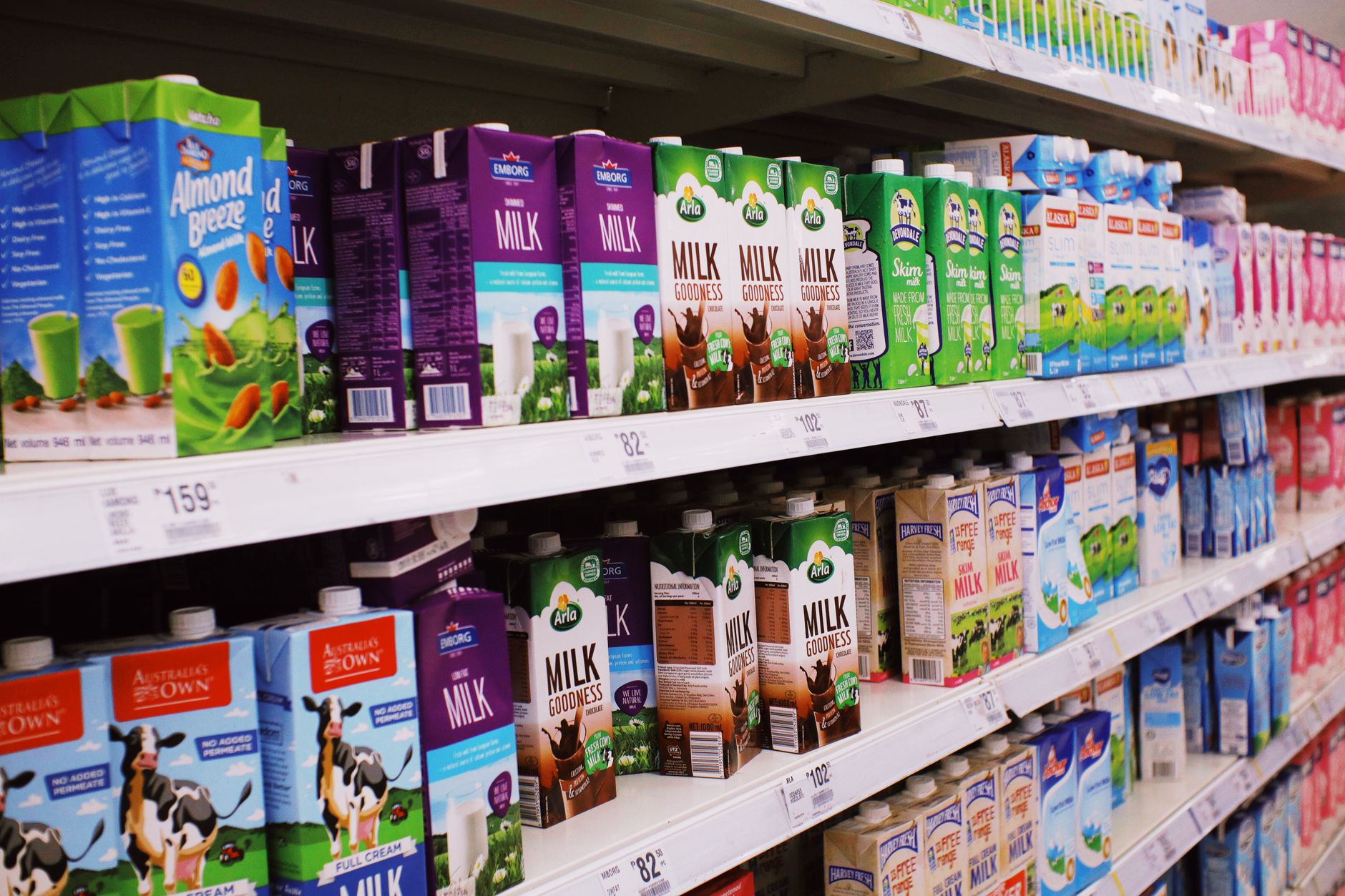
Amul milk prices increase today, with a rise of Rs 2-4 per litre. This change is expected to affect many households across India.
Understanding the Amul Milk Price Increase
In recent news, consumers are facing a significant change as Amul milk prices increase by Rs 2-4 per litre effective immediately. This increase has raised concerns among consumers about the impact on their budgets and daily expenses. Milk is a staple commodity in many households, making this price hike particularly noteworthy.
The reasons behind the price increase are multifaceted. Amul, one of the largest dairy cooperatives in India, has cited rising costs of production, including feed and transportation, as key factors influencing their decision. Additionally, the dairy sector has been experiencing fluctuations in supply and demand, further complicating pricing strategies.
Many consumers are expressing their discontent regarding this development. The increase may lead to higher prices for various dairy products, impacting not only individual households but also businesses that rely on these products. For instance, small tea stalls and restaurants might have to adjust their pricing to cope with the increased costs.
Experts suggest that while price hikes are sometimes unavoidable due to external factors, it is essential for companies like Amul to communicate transparently with consumers about such changes. As people adjust to the new prices, it remains to be seen how this will affect milk consumption patterns and overall customer loyalty in the long run.
In conclusion, the Amul milk prices increase poses a challenge for consumers already grappling with inflation on multiple fronts.
Impact on Consumers
The recent announcement regarding the increase in Amul milk prices has sent ripples through the consumer market, raising concerns about affordability and budgeting. With the prices set to rise by Rs 2-4 per litre starting today, many households are now faced with the challenge of adjusting their monthly grocery expenses.
For a significant portion of the population that relies on Amul milk as a staple food item, this price hike could translate to a noticeable financial strain. Households with children or those who consume milk in larger quantities may feel the impact more acutely. The necessity of milk in daily diets means that many consumers have little choice but to absorb these costs, which could lead to a reassessment of their overall spending.
Furthermore, the increase in Amul milk prices could have a cascading effect on related products, such as cheese, butter, and other dairy items, which are also staples in Indian cuisine. As prices rise, consumers may be forced to consider alternatives, such as:
- Switching to less expensive brands
- Reducing overall dairy consumption
- Exploring non-dairy substitutes
In a country where milk is not just a dietary staple but also a cultural symbol, the Amul milk prices increase may stir discontent among consumers, highlighting the delicate balance between dairy farmers’ needs and consumer affordability.
Reasons Behind the Price Hike
The recent increase in Amul milk prices has left many consumers concerned about their budgets. Several factors have contributed to this decision, which has resulted in a price hike of Rs 2-4 per litre from today.
One of the primary reasons behind the price increase is the rising cost of raw materials. The dairy industry has faced challenges due to:
- Higher Feed Costs: The price of animal feed has surged significantly, affecting dairy farmers’ profits and operational costs.
- Transportation Expenses: With fuel prices on the rise, the cost of transporting milk and dairy products has also increased, prompting companies like Amul to adjust their pricing.
- Supply Chain Disruptions: The ongoing global supply chain issues have led to delays and increased costs in procuring essential supplies for milk production.
- Inflation: General inflation rates have also impacted production costs, forcing companies to reconsider their pricing strategies.
Furthermore, the demand for milk products remains robust, creating a situation where companies feel justified in raising prices to maintain profitability. While this increase in Amul milk prices may be seen as unavoidable from a business perspective, the implications for consumers are significant. As households adjust to these new prices, many are left wondering how to cope with the escalating costs of essential goods.
Market Reactions to Amul’s Decision
The recent announcement regarding the increase in Amul milk prices has stirred significant reactions within the market. Consumers, dairy farmers, and retailers are all weighing in on the implications of this decision. Many consumers express concerns about the rising costs of essential goods, with some stating that any increase, even as minimal as Rs 2-4 per litre, can strain household budgets.
Retailers have also voiced their opinions, noting that the price hike may lead to a decrease in sales volume as customers seek alternatives. Some stores have reported an uptick in inquiries about non-Amul products, reflecting a shift in consumer behavior in response to the latest changes in Amul milk prices.
On the other hand, dairy farmers are cautiously optimistic. They argue that the price increase is necessary to ensure fair compensation for their products, especially in light of rising feed and operational costs. Supporters of the price raise believe it could eventually stabilize the market and ensure the sustainability of dairy farming in the long term.
Economists predict that while short-term reactions may include a pushback from consumers, the long-term effects might stabilize once the market adjusts to the new pricing structure. As the situation unfolds, it will be interesting to monitor how these reactions evolve and what they could mean for the future of Amul and its loyal customer base.
Comparing Amul Prices with Competitors
As the news of the Amul milk prices increase spreads, consumers are left to ponder how these changes stack up against the competitors in the market. With the price hike ranging from Rs 2 to Rs 4 per litre, it is essential to analyze how Amul’s prices compare with those of other popular milk brands.
Currently, the average price of Amul full cream milk is approximately Rs 60 per litre. In contrast, major competitors like Mother Dairy and Nandini are priced at:
- Mother Dairy: Rs 58 per litre
- Nandini: Rs 57 per litre
- Britannia: Rs 62 per litre
- Vijaya: Rs 61 per litre
This price comparison highlights that while Amul has increased its milk prices, it still remains competitive against certain brands. However, for consumers already feeling the pinch of rising grocery bills, the Amul milk prices increase may still present a significant challenge.
Moreover, the brand loyalty that Amul enjoys could be tested as consumers weigh the quality and price of alternatives. With inflation impacting household budgets, the decision to switch brands could become a consideration for many consumers in the coming weeks.
Future Predictions for Dairy Prices
The increase in Amul milk prices has sparked widespread concern among consumers, leading many to question the future of dairy prices in India. Analysts predict that the current trend may not be a temporary spike but rather a precursor to more substantial price adjustments in the coming months.
Several factors contribute to these predictions:
- Rising Input Costs: The dairy industry is facing escalating costs for feed, transportation, and labor, which are likely to be passed on to consumers in the form of higher prices.
- Inflationary Pressures: With inflation remaining a significant concern, the overall cost of living is affecting consumers’ purchasing power, which could result in further price hikes across various dairy products.
- Demand Fluctuations: Seasonal demands, especially during festivals and holidays, may lead to sudden spikes in prices, as seen with the recent Rs 2-4 per litre increase for Amul milk.
- Market Competition: Competing brands may adjust their pricing strategies in response to Amul’s price increase, potentially leading to a ripple effect across the market.
As consumers brace for these changes, many may wonder if the latest Amul milk prices increase is just the beginning of a broader trend. It remains to be seen how these dynamics will unfold and impact the dairy market in the long run.
Consumer Tips for Managing Costs
As the news of the Amul milk prices increase spreads, consumers are left searching for ways to manage their budgets effectively. With the recent hike of Rs 2-4 per litre, it becomes essential to adopt smart shopping strategies to mitigate the impact on household expenses.
Here are some tips that can help consumers navigate this change:
- Plan Your Purchases: Create a shopping list before heading to the store. Stick to buying only what you need to avoid impulse purchases.
- Buy in Bulk: Purchasing larger quantities of milk and dairy products can sometimes yield cost savings. Check for offers or bulk pricing at local stores.
- Exploring Alternatives: While Amul is a popular choice, consider trying other brands that may offer competitive pricing without compromising quality.
- Stay Informed: Keep an eye on local markets and promotions. Sometimes, smaller retailers may offer better deals than larger chains.
- Adjust Consumption: Reducing the quantity of milk used in recipes or opting for alternatives, such as plant-based milk, can help manage costs.
By implementing these strategies, consumers can better cope with the rising costs associated with the Amul milk prices increase while still enjoying their favorite dairy products.
Government Response to Price Changes
The recent announcement regarding the increase in Amul milk prices has prompted a swift response from government officials. As consumers brace for the impact of the price hike, which is set to raise costs by Rs 2-4 per litre, various departments are assessing the situation to determine the best course of action.
Officials from the Ministry of Dairy Development have expressed concerns over the potential strain this increase could place on household budgets, particularly for low-income families. In response, they are exploring measures to stabilize dairy prices and ensure that essential goods remain accessible to all consumers.
Among the proposed solutions are:
- Increased support for dairy farmers: The government is considering financial assistance to help farmers manage rising production costs.
- Monitoring supply chains: Ensuring that supply chain disruptions do not exacerbate the situation and lead to further price increases.
- Public awareness campaigns: Educating consumers about the reasons behind the Amul milk prices increase and potential alternatives available in the market.
Additionally, the government is expected to engage with Amul and other dairy cooperatives to facilitate discussions on price regulation. Officials stress the importance of maintaining a balance between supporting farmers and protecting consumers from drastic price fluctuations.
The recent Amul milk prices increase has left many consumers worried about their monthly budgets. As the Amul milk prices increase, families may need to adjust their spending habits to accommodate the rising costs.
Photo by Nothing Ahead on Pexels