

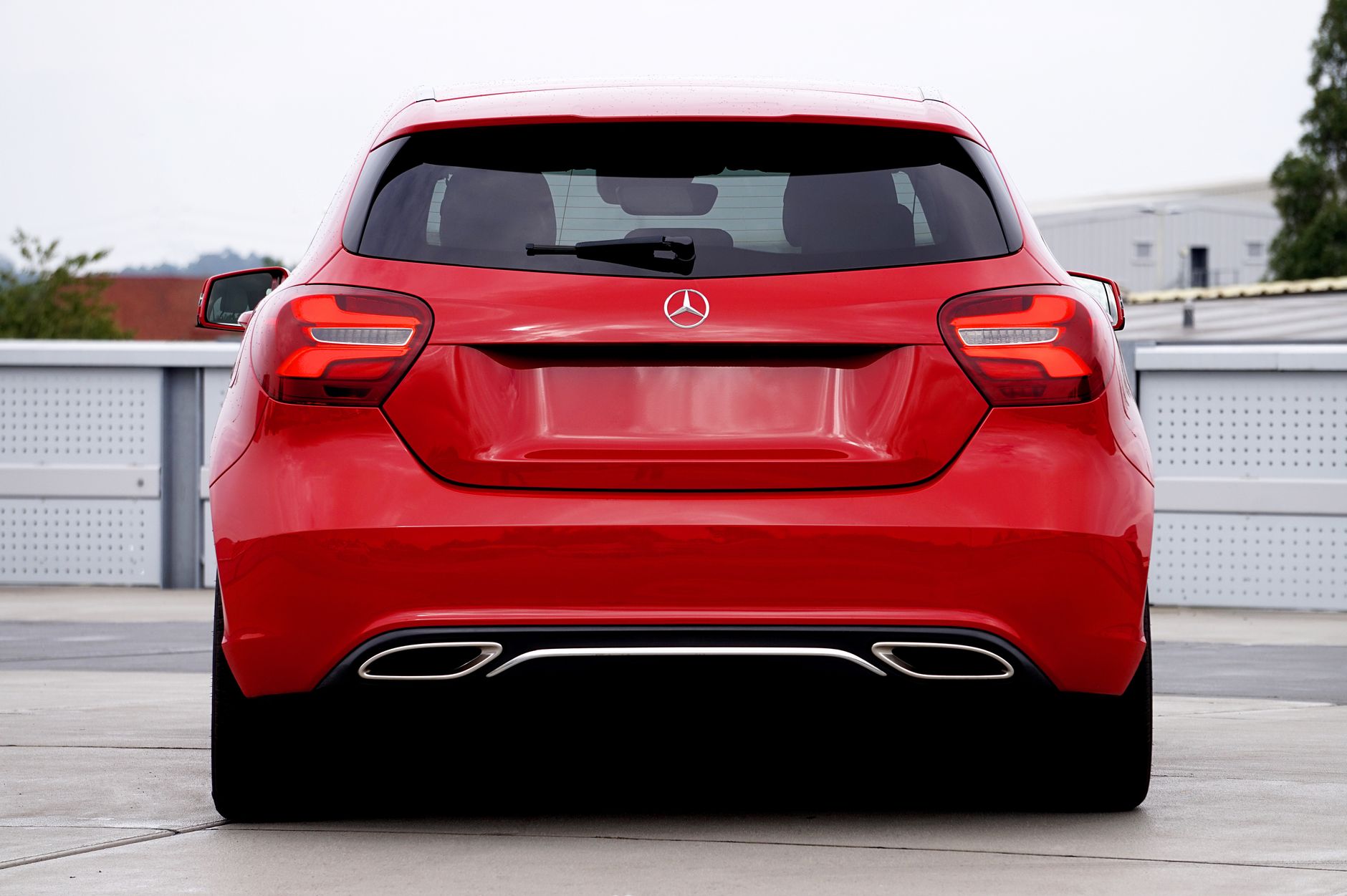
The premium hatchback segment is gaining traction as Maruti bets on its growth potential. With demand outpacing industry expectations, the brand is focusing on innovation to capture this emerging market.
Overview of the Premium Hatchback Segment
The premium hatchback segment has emerged as a pivotal area within the automotive industry, gaining significant traction as consumer preferences shift towards more versatile and stylish vehicles. This segment is characterized by its blend of compact design and high-end features, appealing to a diverse demographic that values both functionality and aesthetics.
As the market evolves, several key factors contribute to the growth of the premium hatchback segment:
- Changing Consumer Preferences: Today’s buyers are increasingly looking for vehicles that offer a balance of performance, technology, and comfort, making premium hatchbacks a popular choice.
- Technological Advancements: With advancements in automotive technology, these vehicles now come equipped with features that were once exclusive to luxury models, enhancing their appeal.
- Affordability and Value: Premium hatchbacks provide an attractive alternative to larger sedans and SUVs, offering a similar level of quality at a more accessible price point.
- Urbanization: As urban areas continue to expand, the demand for smaller, more maneuverable cars that still deliver performance and luxury has increased.
In response to these trends, manufacturers, like Maruti, are making strategic investments in the premium hatchback segment to capitalize on the growing demand and ensure sustainable growth moving forward.
Maruti’s Strategy for Growth
Maruti Suzuki has identified the premium hatchback segment as a key area for growth, driven by changing consumer preferences and an increasing demand for high-quality vehicles. The company aims to leverage its extensive experience and strong brand reputation to capture a larger market share in this lucrative segment.
To solidify its position, Maruti is focusing on several strategic initiatives:
- Product Innovation: Maruti is investing in research and development to enhance the design and features of its hatchback offerings, ensuring they meet the evolving tastes of customers.
- Enhanced Customer Experience: The company is committed to improving the overall buying experience by providing better customer service and creating a more engaging dealership environment.
- Strategic Marketing: Maruti plans to launch targeted marketing campaigns that highlight the advantages of its premium hatchbacks, emphasizing quality, affordability, and modern technology.
- Electrification: With a shift towards sustainability, Maruti is exploring electric variants within the premium hatchback segment to cater to environmentally conscious consumers.
By implementing these strategies, Maruti Suzuki aims not only to boost sales in the premium hatchback segment but also to set new benchmarks for quality and innovation in the automotive industry.
Current Market Trends in Automotive
The automotive industry is witnessing significant shifts, particularly within the premium hatchback segment. Recent trends indicate a growing consumer preference for vehicles that offer both style and functionality. As urbanization increases, more buyers are gravitating towards compact yet luxurious options that fit their lifestyle.
Data reveals that sales in this segment have outpaced the overall market growth, highlighting a strong demand for premium features in smaller vehicles. Key factors influencing this trend include:
- Affordability: With rising income levels, consumers are willing to invest in higher-end models that offer advanced technology and comfort.
- Fuel Efficiency: Premium hatchbacks often provide better mileage compared to larger vehicles, making them an attractive choice for budget-conscious buyers.
- Urban Mobility: As cities become more congested, smaller cars that are easy to maneuver and park are increasingly preferred.
Manufacturers are responding to these trends by enhancing their offerings with innovative designs and technology. Additionally, sustainability has become a focal point, with many automakers integrating eco-friendly materials and options into their premium hatchback models.
As this segment continues to evolve, industry players must stay attuned to consumer demands to capitalize on growth opportunities.
Consumer Preferences in Hatchbacks
Consumer preferences in the premium hatchback segment have evolved significantly, reflecting changing lifestyles and increasing demand for versatile vehicles. Buyers today are looking for a combination of style, performance, and advanced features that cater to their daily needs while also providing an enjoyable driving experience.
Key factors influencing consumer choices include:
- Design and Aesthetics: A modern, stylish exterior and a well-designed interior are crucial for attracting buyers in this segment.
- Technology Integration: Features such as infotainment systems, connectivity options, and driver-assistance technologies are becoming standard expectations.
- Fuel Efficiency: With rising fuel prices, consumers prioritize models that offer impressive mileage without compromising on performance.
- Safety Features: Enhanced safety measures, including airbags, ABS, and advanced driver-assistance systems, are increasingly important to consumers.
Moreover, buyers in the premium hatchback segment are showing a preference for eco-friendly options. As a result, manufacturers are exploring hybrid and electric variants to meet these demands. The shift towards sustainability indicates a broader trend where consumers are becoming more conscious of their environmental impact, further influencing their purchasing decisions.
This combination of factors is shaping the landscape of the premium hatchback segment, making it essential for manufacturers to adapt their strategies accordingly.
Challenges Facing the Industry
The premium hatchback segment is currently facing several challenges that could impact its growth trajectory. One of the primary issues is the increasing competition from both established players and new entrants. With numerous manufacturers vying for market share, brands must continuously innovate to capture consumer interest.
Another significant challenge is the rising cost of raw materials, which affects pricing strategies. As manufacturers strive to maintain quality while keeping prices competitive, the margins in the premium hatchback segment are becoming tighter. This situation may force companies to reevaluate their production processes and supply chain management.
Additionally, changing consumer preferences pose a hurdle. While demand for premium hatchbacks remains strong, there is a noticeable shift towards electric vehicles (EVs) and SUVs. This trend indicates that automakers must diversify their offerings to cater to evolving consumer interests, or risk losing market relevance.
Moreover, regulatory changes and sustainability initiatives are prompting brands to invest in greener technologies. These investments may initially strain financial resources but are crucial for long-term sustainability in the premium hatchback segment.
In summary, while there are significant opportunities within the premium hatchback segment, manufacturers must navigate these challenges carefully to ensure continued growth and consumer loyalty.
Future of Premium Hatchbacks
The future of the premium hatchback segment looks promising as automotive manufacturers adapt to evolving consumer preferences and technological advancements. With the increasing demand for compact yet feature-rich vehicles, the segment is poised for significant growth.
One key factor driving this growth is the rise in urbanization. As more people move to cities, there is a growing need for vehicles that are easy to maneuver and park in congested areas. Premium hatchbacks offer a perfect balance of style and practicality, making them an attractive option for urban dwellers.
Additionally, advancements in electric vehicle technology are set to influence the premium hatchback market. Many manufacturers are exploring electric or hybrid models to cater to environmentally-conscious consumers. This shift not only aligns with global sustainability goals but also opens up new avenues for innovation in design and performance.
Furthermore, the integration of smart technology into vehicles is becoming increasingly important. Features such as advanced infotainment systems, connectivity options, and safety enhancements are essential for attracting tech-savvy buyers. As these trends continue to develop, the premium hatchback segment is likely to see a surge in interest and investment.
In conclusion, the future of premium hatchbacks appears bright, as the automotive industry embraces change and responds to the demands of modern consumers.
Maruti’s Competitive Edge
Maruti Suzuki has solidified its position in the premium hatchback segment by leveraging its extensive experience and understanding of consumer preferences. The company’s dedication to quality and innovation has allowed it to cater to the evolving demands of the market effectively.
One of the key strategies driving Maruti’s success is its focus on incorporating advanced features and technology in its premium hatchback offerings. These vehicles are designed not only for comfort but also for safety, ensuring that they meet the expectations of modern consumers.
Additionally, Maruti’s robust service network plays a crucial role in enhancing customer satisfaction. With over 3,000 service centers across the country, customers feel assured about maintenance and support, which further boosts brand loyalty.
Another significant aspect of Maruti’s competitive edge is its ability to offer a diverse range of models within the premium hatchback segment. This variety allows consumers to choose vehicles that best fit their lifestyles and budgets.
Moreover, Maruti has adopted a customer-centric approach, utilizing feedback to refine its offerings continually. By staying attuned to market shifts and consumer needs, Maruti Suzuki is not only maintaining its lead but is also setting benchmarks for competitors in the rapidly growing premium hatchback segment.
Impact of Demand on Production
The premium hatchback segment has seen a significant surge in demand, prompting manufacturers to rethink their production strategies. As consumer preferences shift towards more luxurious and feature-rich vehicles, companies are ramping up their output to keep pace with this evolving market landscape.
Several factors contribute to the heightened demand for premium hatchbacks:
- Increased disposable income: Many consumers are willing to invest in high-quality vehicles that offer better performance and comfort.
- Young urban professionals: This demographic is increasingly attracted to the versatility and style of premium hatchbacks, leading to a growing market segment.
- Technological advancements: Features such as advanced safety systems and connectivity options are drawing interest from tech-savvy customers.
As demand continues to outstrip supply, manufacturers are faced with the challenge of scaling production effectively. Companies like Maruti are leveraging their competitive edge by optimizing manufacturing processes and enhancing supply chain management. This approach not only ensures timely delivery but also helps maintain quality standards.
In conclusion, the impact of demand on production in the premium hatchback segment is profound, pushing automakers to innovate and adapt swiftly to consumer expectations. Meeting this demand is crucial for sustained growth and market leadership.
Photo by Mike Bird on Pexels