

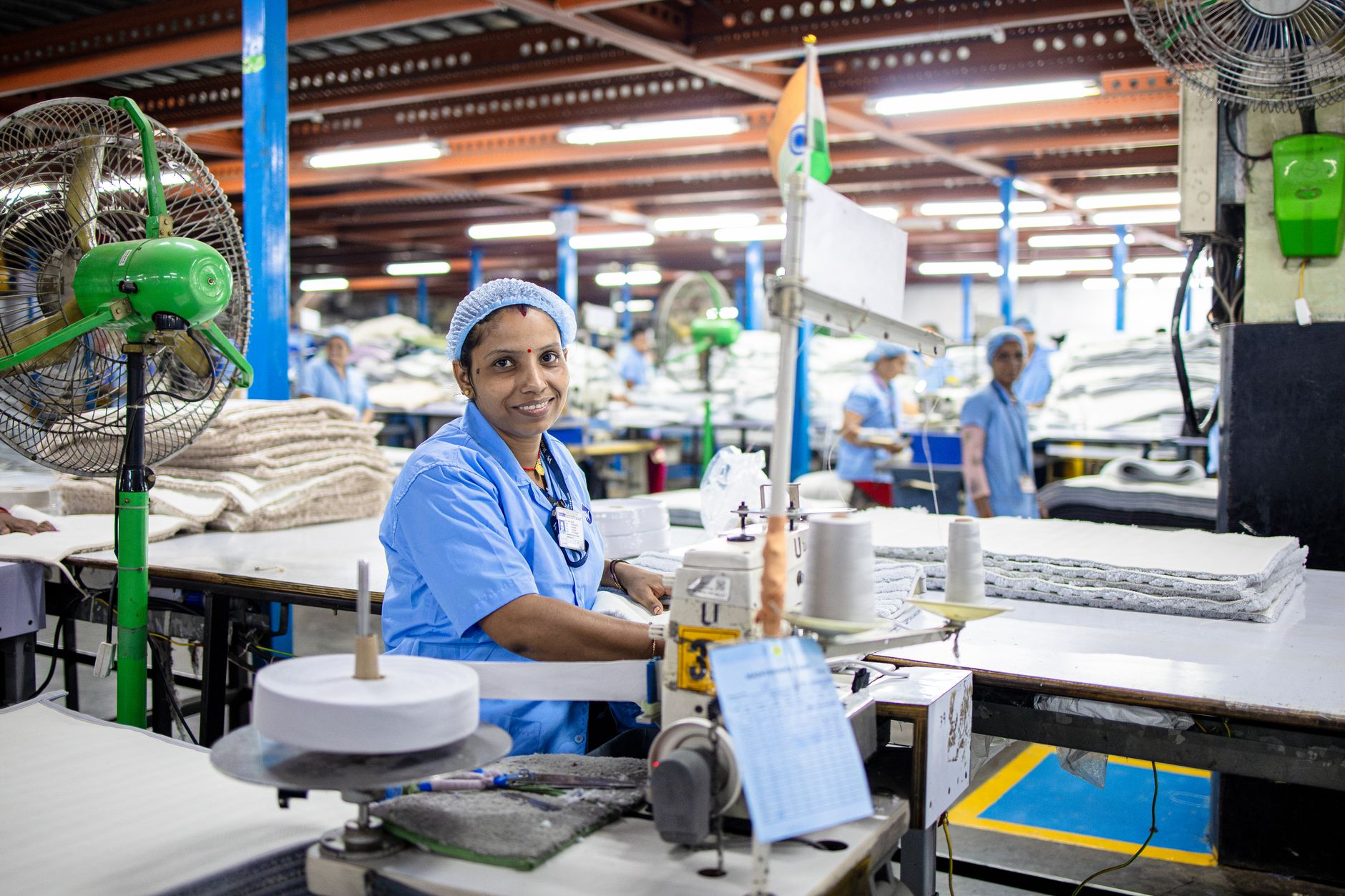
The industrial sector remains an important part of a modern economy, supporting manufacturing, production, logistics, engineering, maintenance, and technical operations. For professionals seeking dependable career pathways, Industrial jobs (industrie jobs) can provide opportunities to apply practical knowledge while developing valuable workplace skills. Current employment trends show that industrial organizations increasingly value reliability, technical awareness, safety knowledge, and the ability to adapt to changing production environments.
Table of Contents
- Understanding the Industrial Employment Landscape
- Skills That Support Career Progression
- The Importance of Workplace Safety
- Choosing the Right Industrial Position
- How a Professional Job Search Can Help
- Building a Future in Industry
Understanding the Industrial Employment Landscape
Industrial employment covers a broad range of professional responsibilities. Production operators, machine technicians, maintenance specialists, quality professionals, warehouse staff, engineers, and supervisors all contribute to efficient industrial operations. Because these roles involve different levels of responsibility, candidates can explore positions that correspond with their education, practical experience, and long-term career objectives.
A useful way to understand the sector is to consider the skills most frequently associated with successful industrial professionals. Technical competence remains important, but employers also look for communication, organization, problem-solving, teamwork, and attention to detail. These qualities help employees respond effectively to operational challenges while maintaining consistent workplace standards.
Skills That Support Career Progression
Industrial environments often combine established procedures with modern technologies. Employees may work with automated equipment, digital monitoring systems, specialized machinery, or structured production processes. As a result, continuous learning has become an important part of professional development.
Candidates can strengthen their profiles by maintaining current technical knowledge and developing practical abilities relevant to their target role. Familiarity with workplace safety procedures, equipment handling, quality standards, and production documentation can also improve professional readiness.
Soft skills should not be overlooked. Clear communication helps teams coordinate tasks, while dependable time management supports smooth daily operations. Problem-solving is particularly valuable when unexpected equipment issues, production changes, or quality concerns arise.
The Importance of Workplace Safety
Safety is a central consideration throughout the industrial sector. Many roles involve machinery, tools, production lines, storage areas, or other operational environments where employees must follow established procedures. Professionals who understand the importance of protective practices can contribute to a safer and more organized workplace.
Employers generally appreciate candidates who demonstrate responsible behavior and respect for safety protocols. A strong safety culture can reduce operational disruptions while helping employees perform their responsibilities with greater confidence.
Choosing the Right Industrial Position
Selecting an appropriate role requires more than reviewing a job title. Candidates should consider the responsibilities, required qualifications, working environment, development opportunities, and expected daily activities associated with a position.
A practical approach is to compare personal strengths with the requirements of available roles. Someone with mechanical knowledge may prefer maintenance or technical work, while an organized professional could be well suited to production coordination, inventory management, or quality-related responsibilities.
It is also useful to consider long-term objectives. A suitable starting position can provide exposure to industrial processes and create opportunities to develop specialized knowledge over time.
How a Professional Job Search Can Help
A structured job search makes it easier to identify relevant opportunities without overlooking important details. Candidates should keep their CV current, describe practical experience clearly, and highlight qualifications that directly relate to industrial responsibilities.
Professional job platforms can also simplify the process by allowing applicants to explore openings according to sector and specialization. Reviewing job descriptions carefully helps candidates understand employer expectations before submitting an application.
Building a Future in Industry
The industrial sector continues to evolve as organizations adopt new technologies, improve production methods, and strengthen operational standards. These developments create a working environment where adaptable professionals can continue learning and expanding their expertise.
For job seekers, the most effective approach is to combine technical capability with professionalism, flexibility, and a commitment to quality. By identifying suitable roles, preparing carefully, and continuing to build relevant skills, candidates can establish a strong foundation for long-term industrial careers. A thoughtful search process can connect professional strengths with opportunities that support meaningful growth and sustainable career development.
Key Takeaways
- The industrial sector plays a crucial role in manufacturing, production, logistics, engineering, maintenance, and technical operations.
- Employers in industrial organizations prioritize reliability, technical awareness, safety knowledge, and adaptability in their employees.
- Continuous learning and familiarity with workplace safety procedures and quality standards are essential for career progression in the industrial sector.
- Effective communication, organization, problem-solving, teamwork, and attention to detail are key soft skills that enhance employee performance in industrial roles.
- Candidates should align their personal strengths with job responsibilities and consider long-term career goals when selecting industrial positions.
- A structured job search that includes maintaining an updated CV and reviewing job descriptions helps candidates find relevant industrial opportunities.