

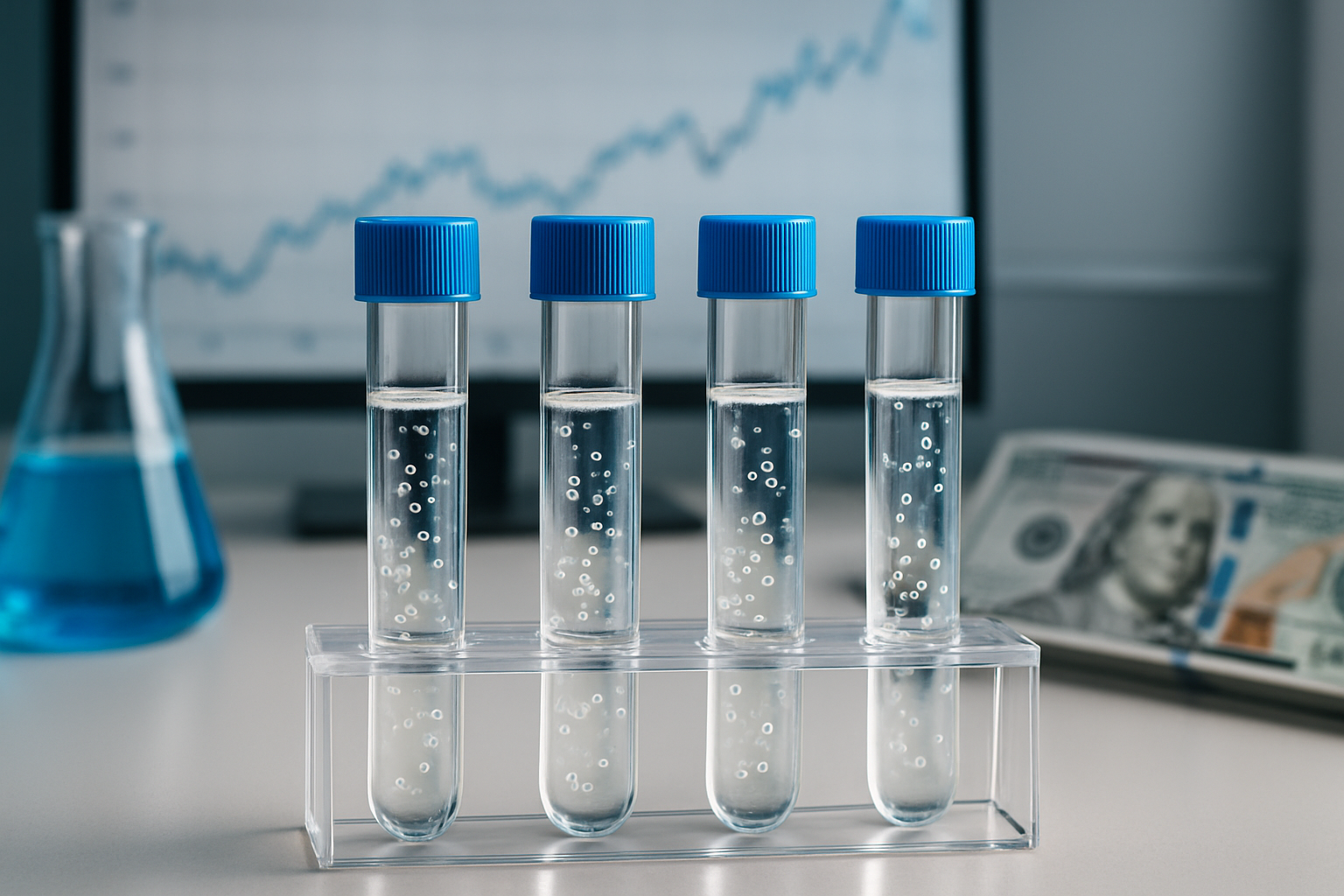
Research into peptides has grown rapidly over the past decade, and few delivery methods attract as much attention as injectable compounds. For Canadian researchers and laboratories, understanding how these compounds are handled, stored, and verified is essential to producing reliable results. This article breaks down the most frequently asked questions, supported by figures that illustrate why purity and quality control matter so much.
What are peptide injections used for in research settings?
In laboratory environments, peptide injections are studied for their role in cellular signaling, metabolic pathways, and protein interactions. Peptides are short chains of amino acids—typically between 2 and 50 residues—that act as messengers within biological systems. Studies on these compounds span fields ranging from tissue recovery science to metabolic research. It’s worth noting that all such compounds at The Peptide Labs are supplied strictly for laboratory research purposes and are not intended for human or veterinary use.
How important is peptide purity in research outcomes?
Purity is one of the single biggest factors influencing research reliability. Even small impurities can skew experimental data, which is why The Peptide Labs maintains a purity threshold consistently exceeding 99%. Each batch is verified using High-Performance Liquid Chromatography (HPLC) and Mass Spectrometry (MS) to confirm sequence accuracy, identity, and stability. When a study depends on consistent inputs, this level of verification reduces variables that could otherwise compromise results.
What does the data say about research peptide demand?
The global peptide research market has expanded significantly, driven by interest in metabolic, recovery, and anti-aging studies. Industry analysts have valued the broader peptide therapeutics and research market in the tens of billions of dollars, with steady annual growth projected through the coming decade. This rising demand has placed greater emphasis on suppliers that can guarantee documented purity and reproducible quality—two factors that separate research-grade material from lower-tier alternatives.
How should research peptides be stored?
Proper storage protects both stability and accuracy. Lyophilized (freeze-dried) peptides generally remain stable for extended periods when kept frozen at -20°C or lower. Once reconstituted, most peptides should be refrigerated and used within a defined window, often a few weeks, depending on the specific compound. Bacteriostatic water is commonly used during reconstitution because it helps limit microbial growth. Following these guidelines preserves the integrity of each vial throughout a study.
Why does sourcing location matter for Canadian researchers?
Sourcing peptides domestically offers practical advantages. Researchers ordering within Canada benefit from faster shipping, fewer customs delays, and clearer accountability. The Peptide Labs ships the same day for orders placed before 1pm PST and offers free shipping on orders over $150. Local sourcing also makes it easier to confirm that quality control documentation aligns with Canadian standards, giving research teams added confidence in what they receive.
What quality control steps separate reliable suppliers?
Not all research peptides are created equally. The most dependable suppliers combine modern synthesis techniques with rigorous in-house testing. At The Peptide Labs, production uses both automated and manual peptide synthesizers paired with solution and solid-phase synthesis methods. Every compound then passes through an in-house analytical lab before packaging. This layered process—synthesis, verification, and final inspection—ensures that each vial meets the same high benchmark for purity and consistency.
How can researchers verify what they are buying?
Transparency is a strong indicator of a trustworthy supplier. Reliable laboratories provide analytical data confirming purity and sequence identity, rather than relying on marketing claims alone. Reviewing HPLC and MS results, checking storage recommendations, and confirming a clear research-use-only policy all help researchers make informed decisions. These verification steps protect both the integrity of the study and the investment made in sourcing materials.
Final thoughts on choosing research peptides
Reliable research begins with reliable materials. By prioritizing documented purity, sound storage practices, and transparent quality control, researchers can reduce variability and build studies on a solid foundation. The Peptide Labs combines advanced synthesis, strict in-house testing, and Canadian-based shipping to support the scientific community with compounds that consistently meet a 99% purity standard. For laboratories that value accuracy and accountability, starting with a trusted source is the most important step of all.