

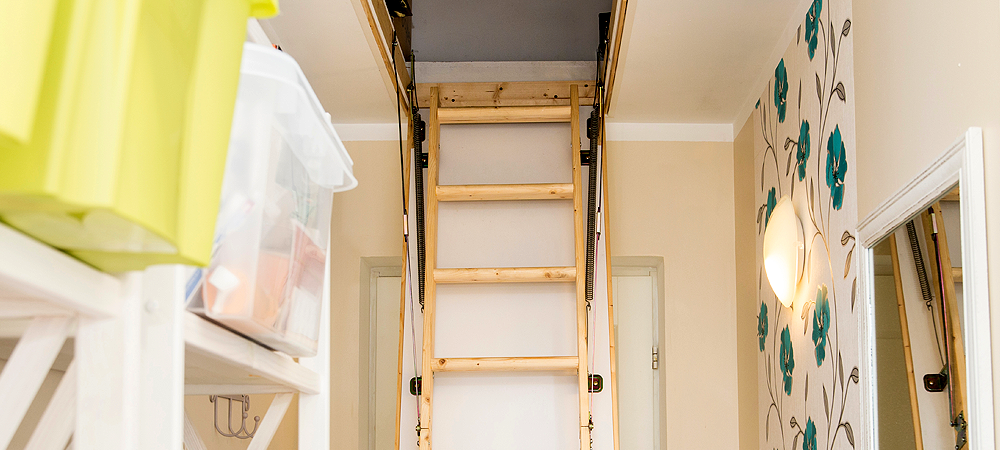
A loft ladder provides convenient access to attic spaces, making it easier to store items or convert unused areas into functional rooms. However, like any household fixture, it requires careful use and proper maintenance to ensure safety. Many accidents involving Loft Ladder occur due to improper installation, neglect, or unsafe practices. Understanding essential safety tips can help homeowners use their loft ladders confidently and prevent unnecessary injuries or damage.
Is a spring-assisted operation necessary?
For sliding aluminum ladders, gravity does most of the work, and they are light enough to push back up manually. However, for timber folding ladders, the unit is significantly heavier.
Spring-assisted or counterbalanced systems are non-negotiable for timber units. These mechanisms take the weight of the ladder as you lower it, preventing it from crashing down, and help lift it back up, meaning you only need to exert minimal force (often less than 3kg of pressure) to close the hatch. This makes the ladder accessible for elderly users or those with limited upper body strength.
Can I install a loft ladder myself?
The complexity of installation depends entirely on whether you are fitting a ladder into an existing hatch or installing a new kit that requires altering the opening.
Retrofit (Ladder only): If you have an existing hatch and are simply screwing a sliding ladder to the loft floor, this is a competent DIY task requiring a drill, screwdriver, and basic measuring tools.
Full Kit (Ladder + Hatch): This is a two-person job. It involves lifting a heavy, pre-assembled frame into the ceiling, squaring it up, shimming it, and fixing it to the joists. It often requires cutting timber and finishing plasterwork.
If you are uncomfortable working at heights or using power tools overhead, hire a professional joiner. An incorrectly installed ladder is a severe safety risk.
The first and most important aspect of loft ladder safety is correct installation. Whether it’s a folding, sliding, or telescopic ladder, ensuring it is securely fitted is crucial. The ladder must be installed according to the manufacturer’s guidelines, using high-quality fixtures and stable mounting points. If you are unsure about the installation process, hiring a professional is a wise choice. A poorly installed ladder may wobble or detach, posing a serious risk when in use.
Another vital safety measure is choosing the right type of loft ladder for your space and needs. Each model has different weight capacities and design features. Homeowners should always check the ladder’s maximum load rating and avoid exceeding it. For instance, a lightweight aluminum ladder may not be suitable for carrying heavy boxes, while a sturdy wooden or steel ladder can offer better stability for frequent use. Selecting a ladder that complements the size of the loft opening and the available floor space ensures easier and safer access.
Proper usage techniques are equally important. Always make sure the ladder is fully extended and locked into position before climbing. Avoid rushing or carrying bulky items that obstruct your view or balance. It’s best to have both hands free to hold the ladder rails while ascending or descending. Using a backpack or a small rope to lift items can reduce the risk of falling. Ensure the steps are clean, dry, and free from any obstacles or slippery substances that could cause accidents.
Regular maintenance plays a key role in loft ladder safety. Over time, screws can loosen, hinges may rust, and wooden parts can warp due to temperature changes. Inspect the ladder periodically for signs of wear and tear. Tighten any loose fittings, lubricate metal joints, and replace damaged parts immediately. For wooden ladders, applying a protective finish can prevent moisture damage and extend durability.
Lastly, good lighting is essential for safe access. Dimly lit loft areas increase the risk of missteps. Installing a proper light source near the entrance and along the loft interior ensures clear visibility while using the ladder.
In conclusion, loft ladder safety depends on careful installation, correct usage, and regular maintenance. By following these simple yet effective tips, homeowners can ensure secure and long-lasting use of their loft ladders, making attic access both convenient and risk-free.