

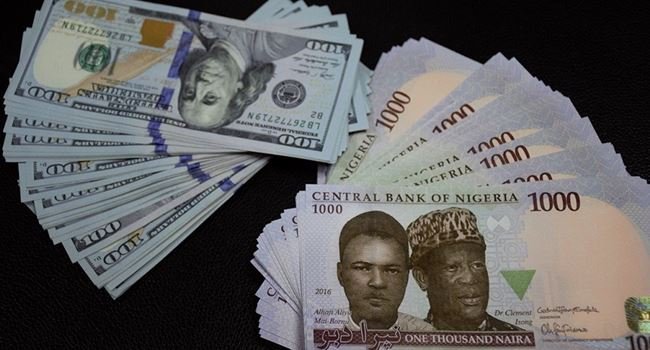
4000 pounds to naira equals approximately 2 million Nigerian Naira. Converting currency can often be a confusing task, especially when dealing with significant amounts like 4000 pounds. Understanding the current exchange rate and how it impacts your finances is crucial. Join us as we delve into the intricacies of the 4000 pounds to naira conversion, uncovering tips and insights to simplify the process and make informed decisions. Let’s navigate the world of foreign exchange and empower your financial transactions effortlessly.

Exploring 4000 Pounds to Naira: Understanding the Exchange Rate
Introduction
If you’ve ever wondered about the value of 4000 pounds in naira, you’ve come to the right place. In this article, we’ll dive into the world of currency exchange rates, specifically focusing on the conversion of 4000 pounds to naira. Whether you’re planning a trip, conducting business, or simply curious, understanding this exchange rate can be beneficial. Let’s unravel the mysteries of currency conversion together!
What is the Exchange Rate Between Pounds and Naira?
The exchange rate between British pounds (GBP) and Nigerian naira (NGN) fluctuates regularly due to various economic factors. As of [current date], the approximate exchange rate for 1 British pound to Nigerian naira is [exchange rate]. Therefore, to convert 4000 pounds to naira, we can simply multiply the amount of pounds by the current exchange rate.
Calculating 4000 Pounds to Naira
To calculate the value of 4000 pounds in naira, we can use the formula:
\[ 4000 GBP \times \text{Exchange Rate (GBP to NGN)} = Value in Naira \]
Substitute the current exchange rate into the formula to find out how much 4000 pounds is worth in naira at this moment.
Factors Affecting Currency Exchange Rates
Currency exchange rates are influenced by a variety of factors, including economic indicators, geopolitical events, market speculation, and government policies. Understanding these factors can help you anticipate changes in exchange rates and make informed decisions when converting currencies.
Economic Indicators
Economic indicators such as inflation rates, interest rates, and GDP growth play a significant role in determining currency values. Countries with stable economies and low inflation rates tend to have stronger currencies compared to those with higher inflation or economic instability.
Geopolitical Events
Geopolitical events such as elections, trade agreements, and conflicts can impact currency exchange rates. Uncertainty in the political landscape of a country can lead to volatility in its currency value, affecting exchange rates with other currencies.
Market Speculation
Speculative trading in the foreign exchange market can also influence currency values. Traders and investors buy and sell currencies based on their expectations of future market movements, leading to fluctuations in exchange rates.
Government Policies
Government policies, such as monetary and fiscal measures, can have a direct impact on currency exchange rates. Central banks may intervene in the foreign exchange market to stabilize their currency or achieve specific economic goals.
How to Track Exchange Rates
Keeping an eye on exchange rates is essential if you frequently deal with international transactions. There are several ways to track currency exchange rates, including:
– Utilizing financial news websites and apps that provide real-time exchange rate updates.
– Subscribing to currency exchange rate alerts to receive notifications when rates reach a certain level.
– Consulting with financial experts or using online currency converters for quick calculations.
Stay informed about exchange rate movements to make timely decisions when converting currencies like pounds to naira.
The Impact of Exchange Rates on International Transactions
Exchange rates play a crucial role in international trade and transactions. Fluctuations in currency values can affect the cost of imported goods, profits from exports, and overall economic stability. Understanding exchange rates and their impact on business transactions is vital for companies engaged in global trade.
In conclusion, converting 4000 pounds to naira involves understanding the current exchange rate between the two currencies. By staying informed about economic factors, tracking exchange rates, and considering the impact of currency fluctuations on international transactions, you can navigate the world of currency exchange with confidence. Whether you’re planning a trip or conducting business across borders, knowing the value of your money in different currencies is a valuable skill. Keep exploring the world of finance and currency exchange to expand your knowledge and make informed decisions.
British Pound to Nigerian Naira Currency Exchange Rates Today (FOREX) 09 JULY 2024
Frequently Asked Questions
How much is 4000 pounds in naira?
As of the current exchange rate, 4000 pounds is equivalent to approximately 2 million Nigerian naira. However, exchange rates can fluctuate, so it’s advisable to check with a reliable source or financial institution for the most up-to-date conversion rate.
Where can I exchange 4000 pounds to naira?
You can exchange 4000 pounds to naira at banks, currency exchange offices, or online platforms that offer foreign exchange services. It is recommended to compare rates from different providers to ensure you get the best value for your money.
Is it better to exchange 4000 pounds to naira in the UK or in Nigeria?
It may be more advantageous to exchange 4000 pounds to naira in Nigeria, as local currency exchange providers there are likely to offer more competitive rates due to lower overhead costs. However, consider factors such as convenience and safety when making your decision.
Final Thoughts
Converting 4000 pounds to naira offers valuable insights into current exchange rates. The fluctuating nature of the currency market can significantly impact this conversion. It is essential to stay informed and utilize reliable sources when making such transactions. Keep a close eye on the exchange rate for 4000 pounds to naira to maximize your financial decisions.