

Asbestos, a material once widely used in construction, insulation, and fireproofing, poses serious health risks when its fibers become airborne. Inhalation can lead to life-threatening conditions, including asbestos test, lung cancer, and mesothelioma. Certified asbestos testing ensures accurate detection and identification, giving property owners and occupants the knowledge needed to manage these risks effectively. Unlike visual inspections or DIY methods, certified testing provides reliable results backed by professional standards and laboratory analysis.
What Does a Certified Asbestos Test Involve?
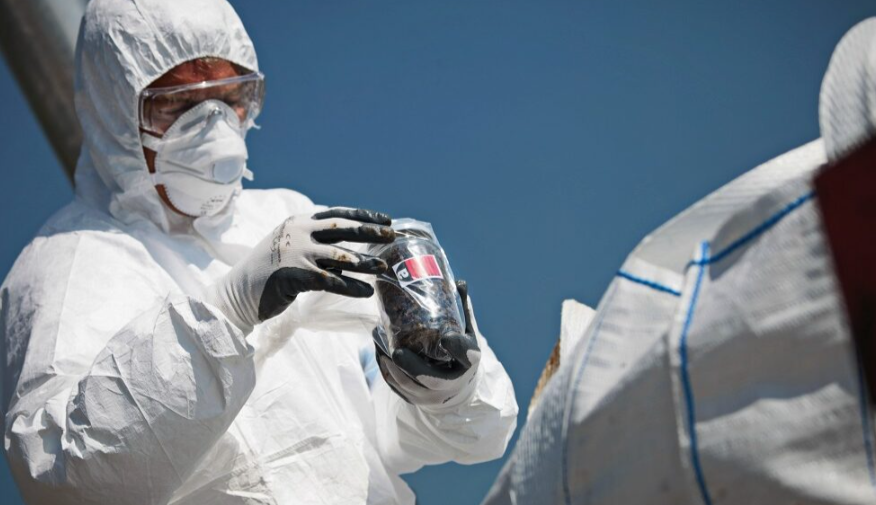
Certified asbestos testing is a structured process conducted by trained and accredited professionals. The procedure typically starts with a site inspection to identify suspect materials. Samples are then carefully collected using safety protocols to prevent fiber release. These samples are analyzed in certified laboratories using methods such as polarized light microscopy (PLM) or transmission electron microscopy (TEM). The results specify not only the presence of asbestos but also its type and concentration, which are critical for risk assessment and remediation planning.
How Do Certified Tests Help Identify Health Risks?
Understanding the type and location of asbestos in a building is fundamental for evaluating exposure risks. Certified tests reveal whether asbestos-containing materials are friable (easily crumbled) or non-friable, which influences the likelihood of fiber release. Statistical research shows that properties with unmanaged, friable asbestos have significantly higher probabilities of exposure-related health issues. By obtaining certified test results, property managers can prioritize interventions and reduce the risk of occupant exposure effectively.
Why Should Property Owners Rely on Certified Professionals?
Certified professionals are trained to handle asbestos safely and comply with regulatory standards. They use protective equipment, proper sampling techniques, and maintain chain-of-custody protocols for samples. This ensures that the results are defensible for legal, insurance, or regulatory purposes. Non-certified methods or untrained handling can lead to inaccurate results and increased exposure risk. Using certified services demonstrates a commitment to health, safety, and responsible property management.
What Are the Common Sources of Asbestos in Buildings?
Asbestos can be found in a wide variety of construction materials, especially in buildings constructed before the 1980s. Common sources include insulation, ceiling tiles, floor tiles, roofing materials, and pipe coatings. Certified testing identifies these sources and evaluates their condition, allowing property owners to determine whether containment, monitoring, or removal is necessary. Statistical studies indicate that older properties are more likely to contain asbestos, making testing essential before renovations or demolitions.
How Often Should Certified Asbestos Testing Be Conducted?
The frequency of testing depends on factors such as building age, material condition, and planned renovations. Properties with previously identified asbestos should undergo periodic monitoring, especially if materials are aging or deteriorating. Renovation or demolition projects require up-to-date certified testing to prevent accidental fiber release. Regular testing is a proactive measure that ensures ongoing safety and regulatory compliance.
What Actions Should Follow a Positive Certified Test?
If asbestos is detected, a certified professional can recommend the appropriate course of action. Options may include containment of intact materials, removal by licensed abatement specialists, or ongoing monitoring. These measures are guided by the type of asbestos, its location, and potential exposure risk. Data-driven decision-making ensures that interventions are safe, effective, and compliant with local regulations.
Conclusion: How Can Certified Asbestos Testing Safeguard Health?
Certified asbestos testing is an essential tool for managing environmental health risks in buildings. By providing accurate identification, type classification, and risk assessment, it empowers property owners to make informed decisions. Implementing certified testing, along with professional guidance for containment or removal, protects occupants and ensures compliance with safety regulations. Ultimately, investing in certified asbestos testing offers peace of mind, safeguards public health, and demonstrates a commitment to responsible property management.