

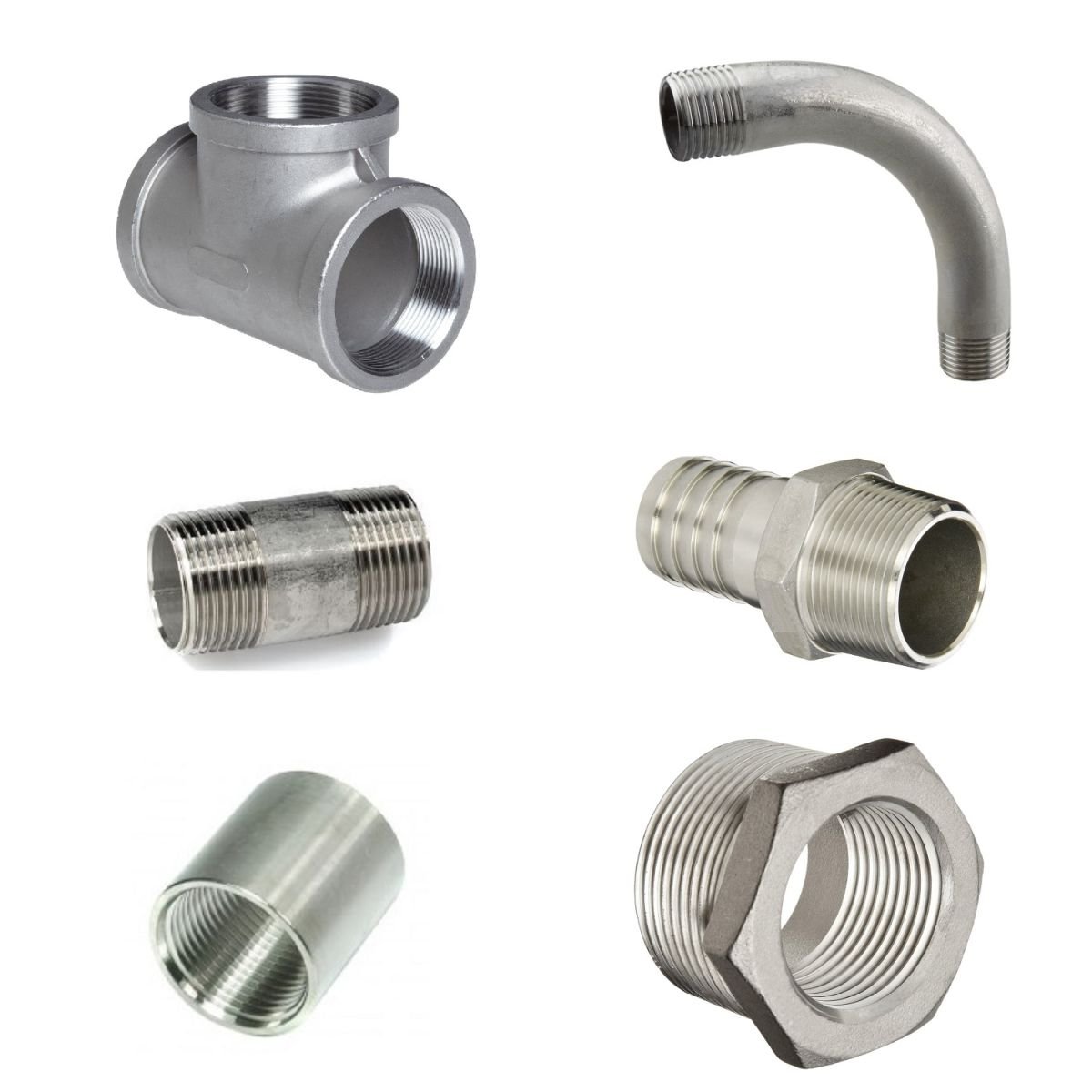
Looking for the best plumbing materials to tackle your next project? The key to successful plumbing lies in using the right materials. From pipes to fittings, choosing high-quality materials can make all the difference in ensuring a leak-free and durable plumbing system. Selecting the appropriate plumbing materials tailored to your specific needs can save you time, money, and headaches down the line. Dive into the world of plumbing materials and discover the essentials for building a reliable and long-lasting plumbing network.

The Ultimate Guide to Plumbing Materials: Everything You Need to Know
Welcome, young plumbers-in-the-making and curious minds! Today, we’re diving into the exciting world of plumbing materials. From pipes to fittings, faucets to valves, we’ll explore the essential components that make up a plumbing system. So, grab your hard hat and tool belt, and let’s get started!
The Basics of Plumbing Materials
Before we jump into the nitty-gritty details, let’s first understand what plumbing materials are and why they are crucial. Plumbing materials refer to the various products used in constructing and maintaining plumbing systems in homes, buildings, and other structures. These materials play a vital role in ensuring the proper functioning of water supply, drainage, and sewage systems.
When it comes to plumbing, using the right materials is key to a successful installation. Quality materials not only improve the efficiency of the system but also contribute to its longevity and durability. Let’s take a closer look at some of the most common plumbing materials used by professionals.
Pipes
Pipes are the backbone of any plumbing system, carrying water to and from different fixtures in a building. There are several types of pipes available, each with its unique characteristics and uses:
1. PVC Pipes
PVC (polyvinyl chloride) pipes are commonly used for drainage and vent systems. They are lightweight, easy to install, and resistant to corrosion. PVC pipes are color-coded based on their use, with white pipes typically used for drainage and gray pipes for electrical applications.
2. Copper Pipes
Copper pipes are known for their durability and reliability. They are often used for water supply lines due to their resistance to corrosion and high heat tolerance. Copper pipes come in different types, such as rigid copper and flexible copper tubing, each suitable for specific applications.
3. PEX Pipes
PEX (cross-linked polyethylene) pipes are a popular choice for plumbing systems due to their flexibility and affordability. PEX pipes are easy to install, resistant to chemicals, and less prone to bursting in cold temperatures. They are commonly used in residential and commercial applications.
Fittings
Fittings are the connectors that join pipes together, allowing for proper flow and direction of water within a plumbing system. There are various types of fittings available, each serving a specific purpose:
1. Couplings
Couplings are used to connect two pipes of the same size and material. They are essential for extending or repairing a plumbing line without the need for cutting or soldering.
2. Elbows
Elbows are fittings that change the direction of a pipe’s flow. They come in different angles, such as 45 degrees and 90 degrees, allowing for flexibility in designing a plumbing system.
3. Tees
Tees are fittings that create a branch connection in a plumbing system, splitting the flow of water into two directions. They are commonly used in situations where a pipe needs to be divided into multiple lines.
Valves
Valves are devices used to control the flow of water within a plumbing system. They play a crucial role in shutting off or regulating the water supply to different fixtures and appliances. Here are some common types of valves used in plumbing:
1. Ball Valves
Ball valves are reliable and durable valves that use a ball with a hole in the middle to control water flow. They are easy to operate and provide a tight seal, making them ideal for shut-off applications.
2. Gate Valves
Gate valves are designed to fully open or close the flow of water by raising or lowering a gate inside the valve body. They are commonly used in applications where full flow control is required.
3. Check Valves
Check valves allow water to flow in one direction only, preventing backflow and ensuring the proper direction of water flow. They are commonly used in sump pump systems and sewage applications.
Faucets
Faucets are the fixtures that deliver water to sinks, showers, and tubs in a building. There are various types of faucets available, each offering unique features and designs:
1. Compression Faucets
Compression faucets are traditional faucets that control water flow by compressing a washer against a valve seat. They are easy to repair but are prone to leaks over time.
2. Ball Faucets
Ball faucets use a ball bearing to control water flow and temperature. They are common in kitchen sinks and provide smooth operation with a single handle for hot and cold water.
3. Cartridge Faucets
Cartridge faucets use a cartridge mechanism to control water flow and temperature. They are durable and easy to operate, making them a popular choice for modern bathrooms.
Congratulations, young plumbing enthusiasts! You’ve now gained a deep understanding of the essential plumbing materials that make up a plumbing system. Remember, choosing the right materials and components is crucial for the success and longevity of any plumbing project. So, the next time you embark on a plumbing adventure, armed with your newfound knowledge, you’ll be well-equipped to tackle any challenge that comes your way. Happy plumbing!
Thank you for joining us on this exploratory journey into the world of plumbing materials. Stay curious and keep learning!
Plumbing Materials Name and Pictures || Plumbing Fittings Name || Plumbing Work |
Frequently Asked Questions
What are the common types of plumbing materials used in residential settings?
In residential plumbing, common materials include copper pipes, PVC pipes, PEX pipes, brass fittings, stainless steel sink strainers, and various types of sealants and adhesives.
How do I choose the right plumbing material for my project?
When selecting plumbing materials, consider factors such as the purpose of the plumbing system, water pressure, budget, and local building codes. For example, copper pipes are known for their durability and resistance to corrosion, while PVC pipes are cost-effective and easy to install.
Can I mix different types of plumbing materials in a single plumbing system?
It’s possible to mix different types of plumbing materials, but it’s essential to ensure compatibility and consider the implications of different expansion rates and corrosion potentials. Consulting with a professional plumber is recommended to avoid potential issues.
Final Thoughts
In conclusion, selecting the right plumbing materials is crucial for a successful project. High-quality materials ensure durability and efficiency, saving time and money in the long run. It is essential to prioritize the use of reliable plumbing materials to prevent costly repairs and maintenance down the line. Choose wisely, invest in quality, and enjoy a smoothly functioning plumbing system.