

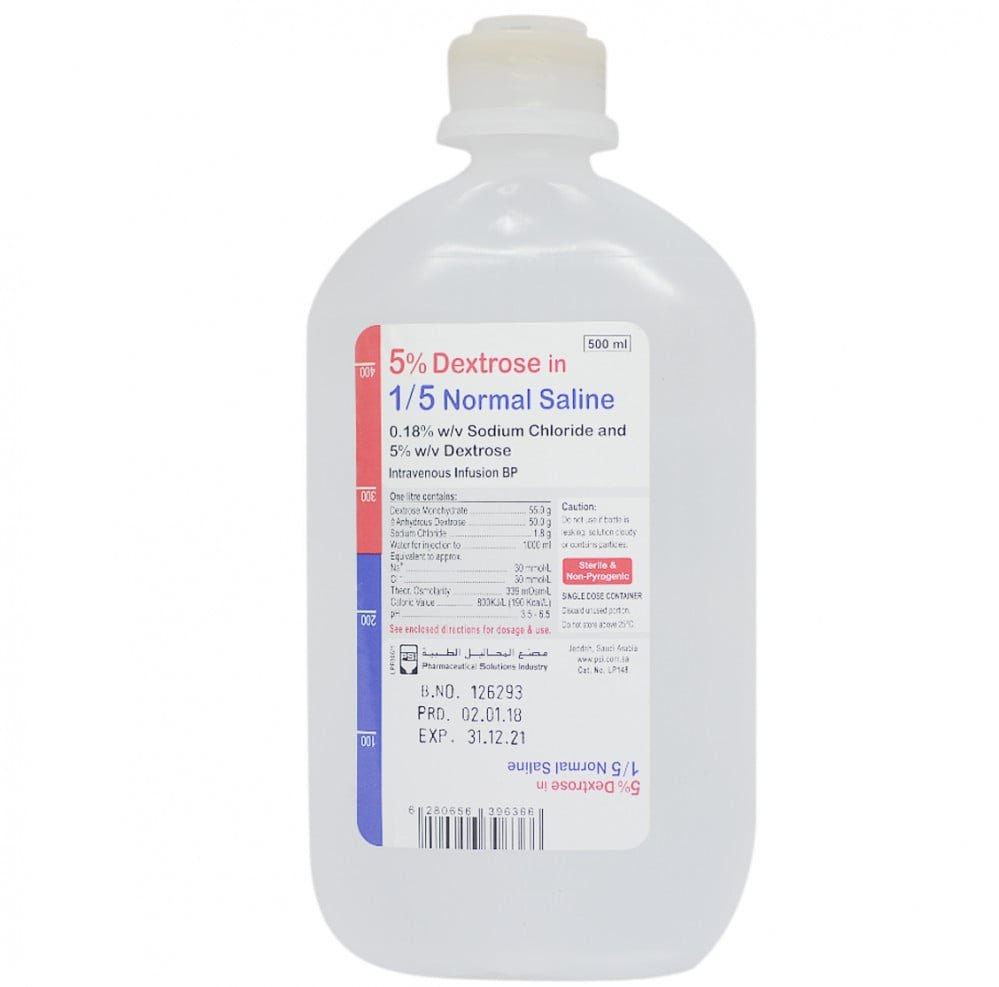
Dextrose saline: a common solution used in medical settings to replenish fluids and nutrients. This versatile combination of dextrose and saline plays a vital role in various medical procedures and treatments. With its ability to provide energy and hydration, dextrose saline is often administered intravenously to help patients recover and maintain their health. In this article, we will explore the uses, benefits, and considerations surrounding the use of dextrose saline in clinical settings. Let’s dive into the world of dextrose saline and uncover its significance in modern healthcare.

The Wonders of Dextrose Saline: A Comprehensive Guide
Welcome, curious minds, to a fascinating journey into the world of dextrose saline! In this blog post, we will delve deep into the realm of this marvelous solution and uncover its many uses, benefits, and applications. So, sit back, relax, and prepare to be amazed by the wonders of dextrose saline!
What is Dextrose Saline?
Let’s start at the beginning – what exactly is dextrose saline? Well, dextrose saline is a solution that combines two key ingredients: dextrose, a type of sugar, and saline, which is a mixture of water and salt. When these two components are mixed together, they create a powerful and versatile solution that has a wide range of applications in the medical field.
The Composition of Dextrose Saline
Now, let’s break it down further. Dextrose, also known as glucose, is a simple sugar that our bodies use as a source of energy. Saline, on the other hand, is a mixture of water and sodium chloride (salt) that helps maintain proper fluid balance in the body. When dextrose and saline are combined, they form a solution that can be administered intravenously to provide essential nutrients and hydration to patients.
Uses of Dextrose Saline
Dextrose saline has a wide range of uses in the medical field. One of the most common uses is as a source of hydration for patients who are unable to take fluids orally. By administering dextrose saline intravenously, healthcare providers can ensure that patients receive the fluids and nutrients they need to stay hydrated and healthy.
Additionally, dextrose saline is often used in emergency situations to treat conditions such as dehydration, shock, and electrolyte imbalances. Its rapid infusion capabilities make it an essential tool in critical care settings where quick and effective treatment is crucial.
Benefits of Dextrose Saline
There are numerous benefits to using dextrose saline in medical settings. One of the primary advantages is its ability to quickly deliver essential nutrients and hydration directly into the bloodstream. This rapid absorption makes dextrose saline an ideal solution for patients who require immediate treatment for dehydration or other fluid-related conditions.
Furthermore, dextrose saline is easy to administer and is generally well-tolerated by patients. Its balanced composition of sugar and salt helps maintain proper fluid balance in the body, making it a versatile and effective tool for healthcare providers.
Applications of Dextrose Saline
Beyond its use in hydration and emergency care, dextrose saline has a variety of other applications in the medical field. For example, it is often used during surgical procedures to maintain fluid balance and prevent dehydration in patients undergoing anesthesia.
Moreover, dextrose saline can be used to dilute medications for intravenous administration, making it easier for healthcare providers to deliver precise doses of medication to patients. This flexibility and compatibility with other substances make dextrose saline a valuable asset in clinical practice.
In conclusion, dextrose saline is a remarkable solution with a myriad of uses, benefits, and applications in the medical field. From providing hydration to treating critical conditions, dextrose saline plays a crucial role in delivering essential nutrients and maintaining fluid balance in patients.
We hope this comprehensive guide has shed light on the wonders of dextrose saline and its importance in healthcare. Remember, the next time you encounter this solution, you’ll have a deeper understanding of its power and versatility. Stay curious, stay informed, and continue to explore the amazing world of dextrose saline!
Types and Uses of IV Fluids || Normal Saline || Glucose || DNS || Ringerlactate
Frequently Asked Questions
What is dextrose saline used for?
Dextrose saline is a solution that combines dextrose, a type of sugar, with saline (a form of salt water). It is commonly used to treat dehydration, replenish fluids, and provide a source of energy in various medical conditions.
How is dextrose saline administered?
Dextrose saline is typically administered intravenously, meaning it is injected directly into the bloodstream through a vein. This allows for rapid absorption and distribution of the solution throughout the body for quick fluid and nutrient replenishment.
Are there any side effects associated with dextrose saline?
While dextrose saline is generally considered safe, some individuals may experience side effects such as vein irritation or inflammation at the injection site. In rare cases, allergic reactions or electrolyte imbalances may occur, so it is important to monitor patients closely during treatment.
Can anyone use dextrose saline?
Dextrose saline is typically safe for most individuals, but it may not be suitable for those with specific medical conditions such as diabetes, heart failure, or kidney problems. Patients with these conditions should consult their healthcare provider before receiving dextrose saline to ensure it is appropriate for their situation.
Final Thoughts
In conclusion, dextrose saline is a vital solution that plays a crucial role in various medical settings. It provides a balanced combination of glucose and salt, serving as an effective treatment for dehydration and low blood sugar levels. Its ability to quickly rehydrate and provide essential nutrients makes it a go-to choice in hospitals and clinics worldwide. When administered properly, dextrose saline can help stabilize patients and support their recovery process.